Tag: Tech Tips

Practical technology tips and guides.

  • How to Buy a Refurbished Smartphone Safely: Battery Health, IMEI, Locks, Warranty, and Returns

    How to Buy a Refurbished Smartphone Safely: Battery Health, IMEI, Locks, Warranty, and Returns

    A refurbished smartphone can save a meaningful amount of money and keep a capable device in use for longer. It can also be a bad purchase if the battery is worn, the phone is still locked to another account, replacement parts are poor quality, or the seller’s “refurbished” label means little more than wiping the screen.
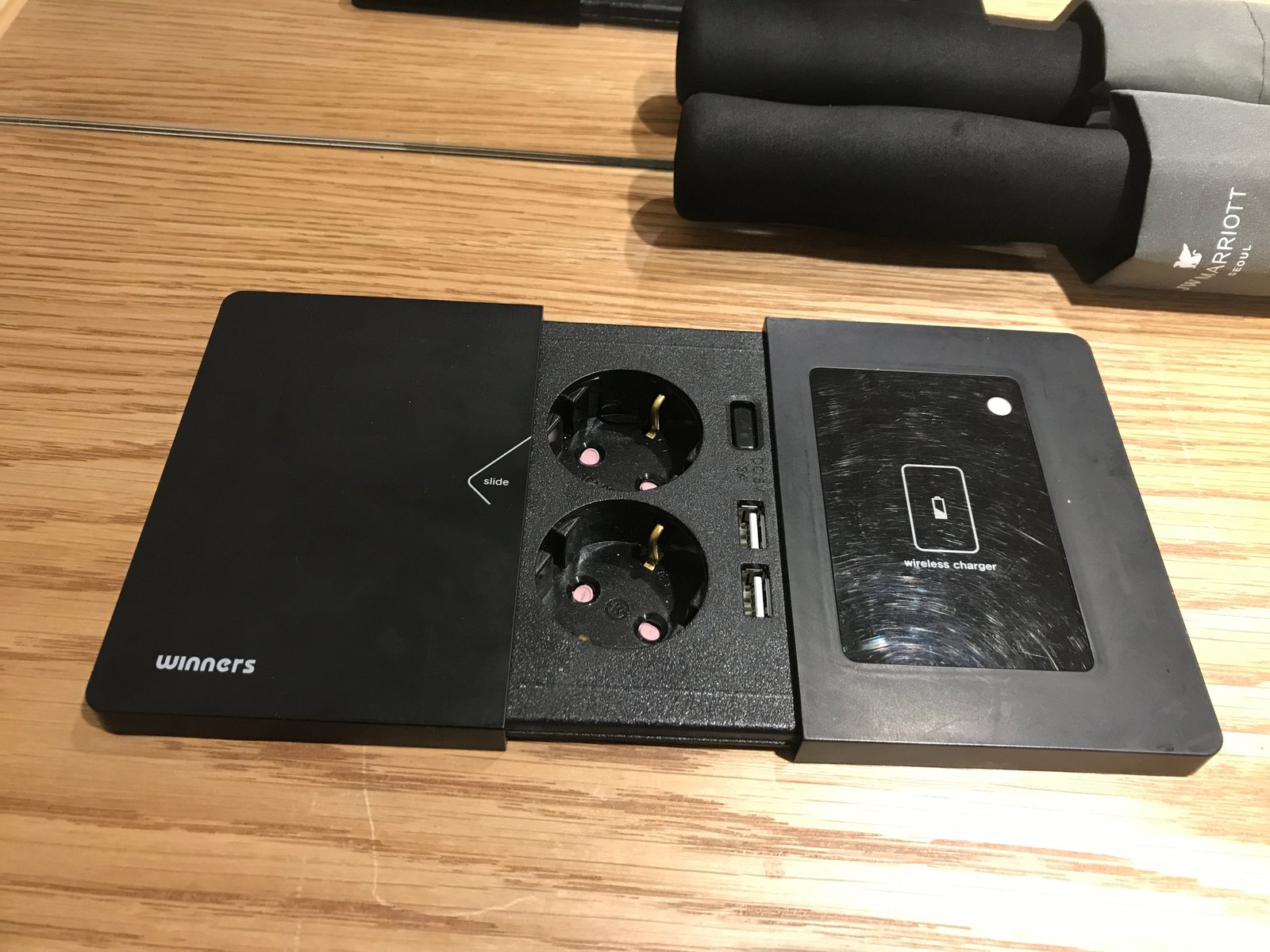
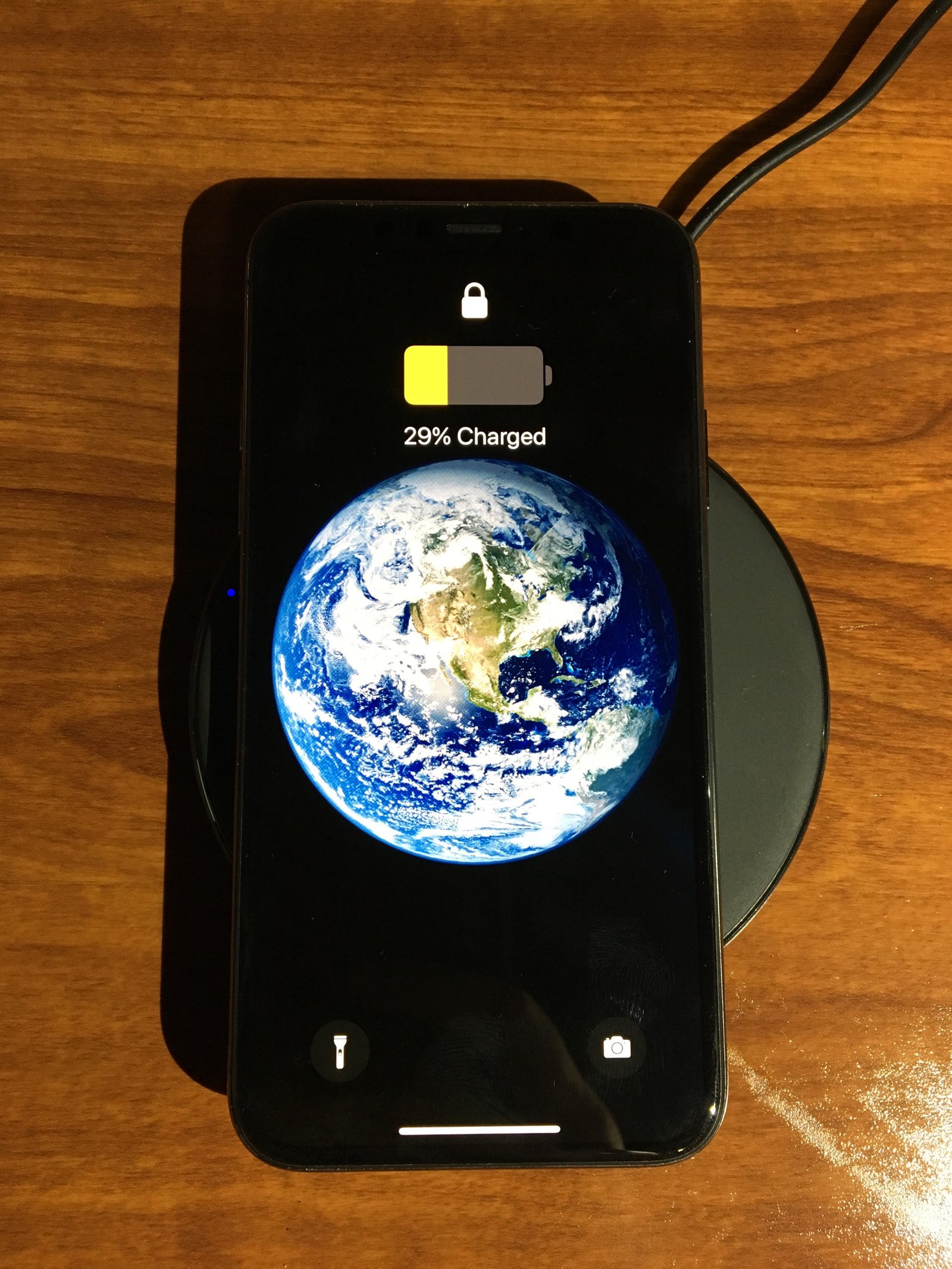
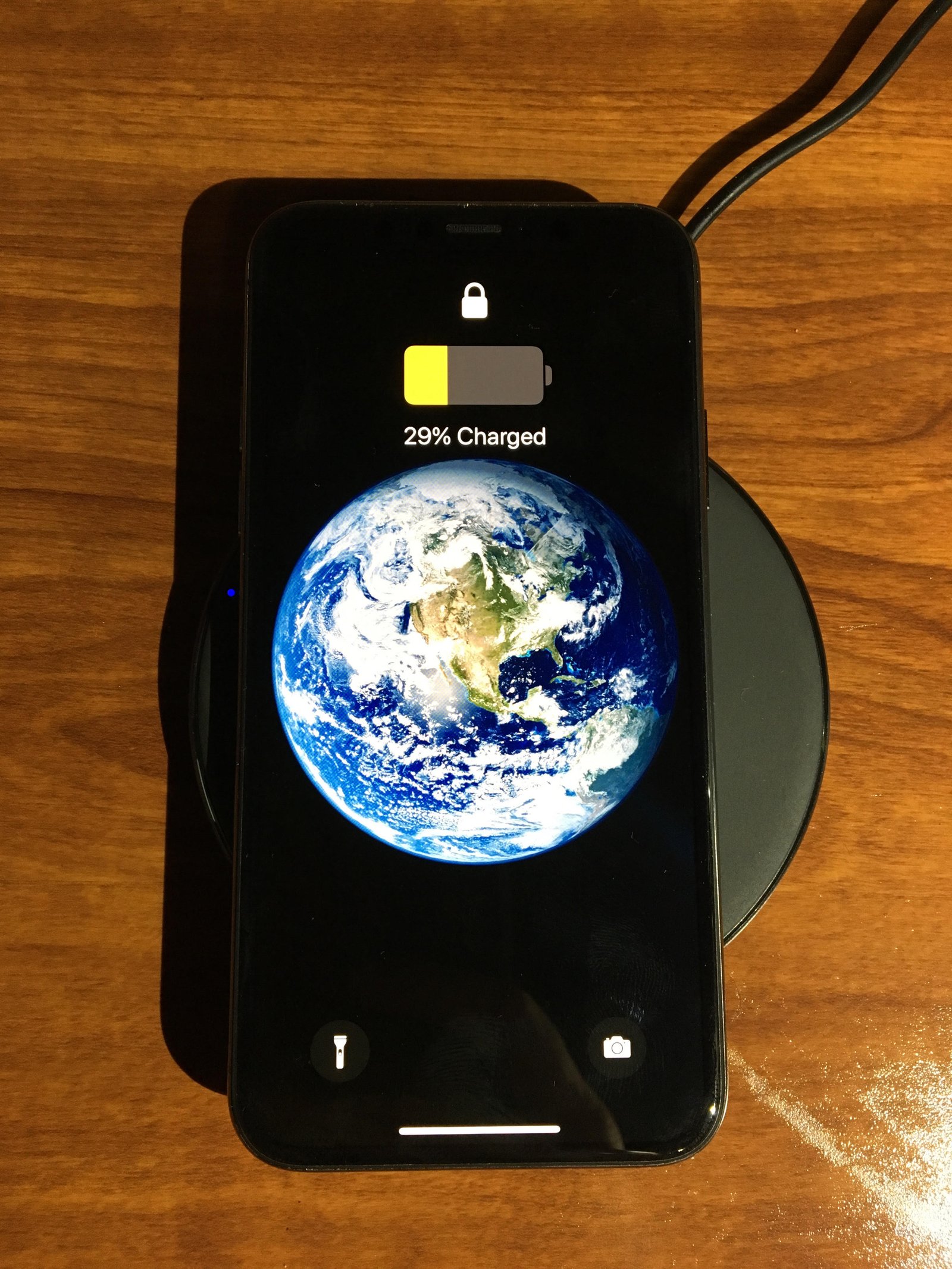
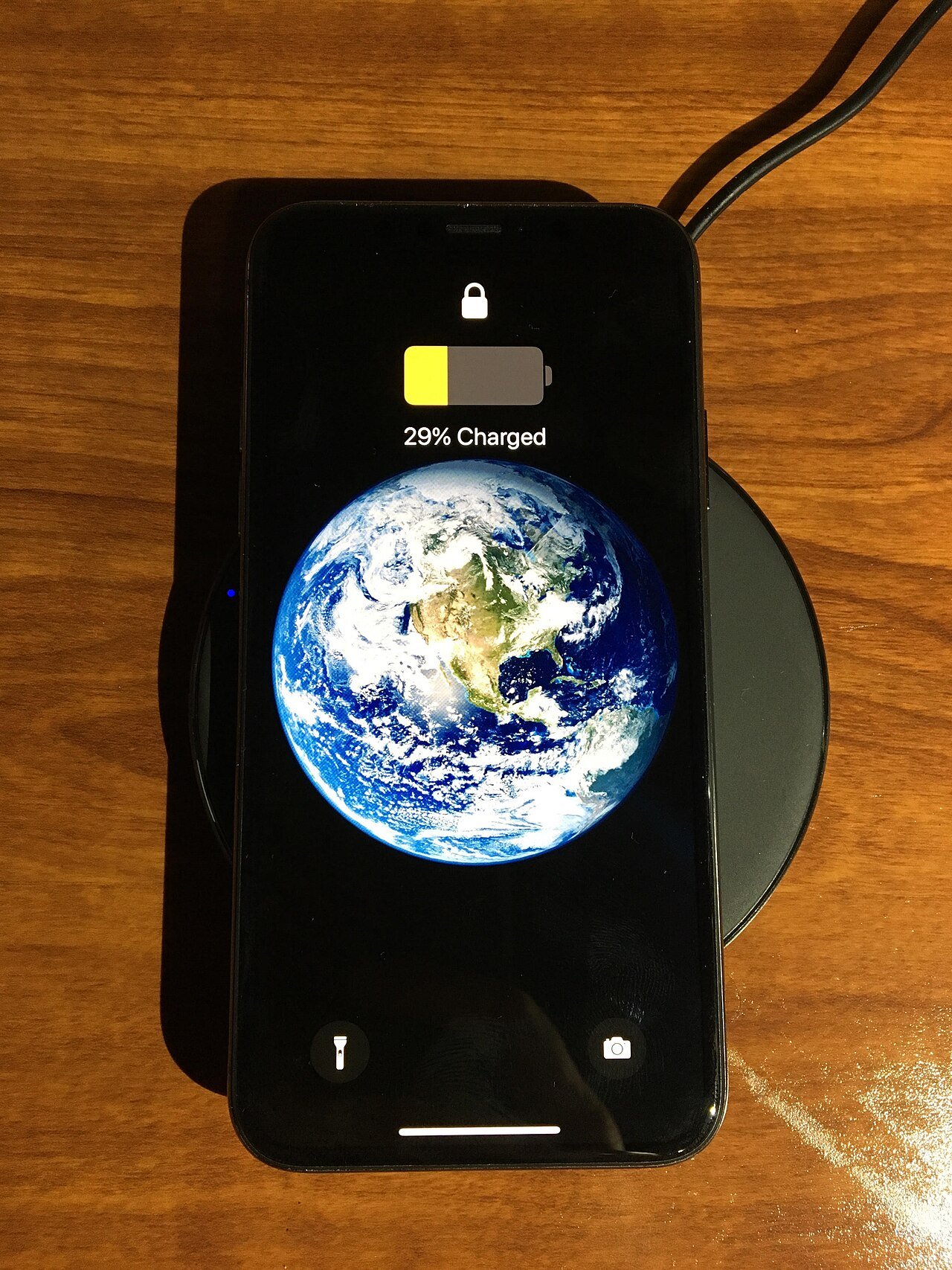
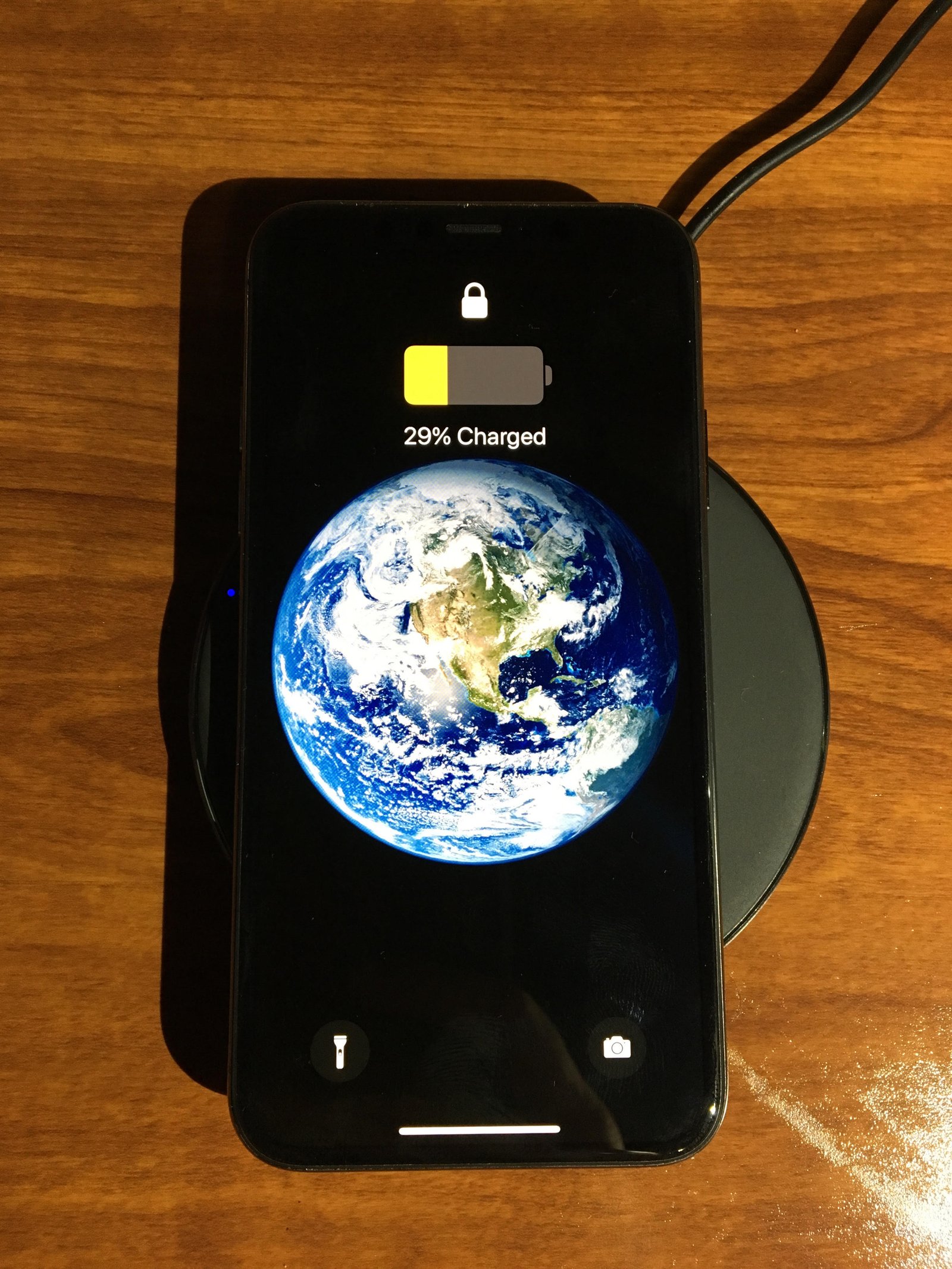
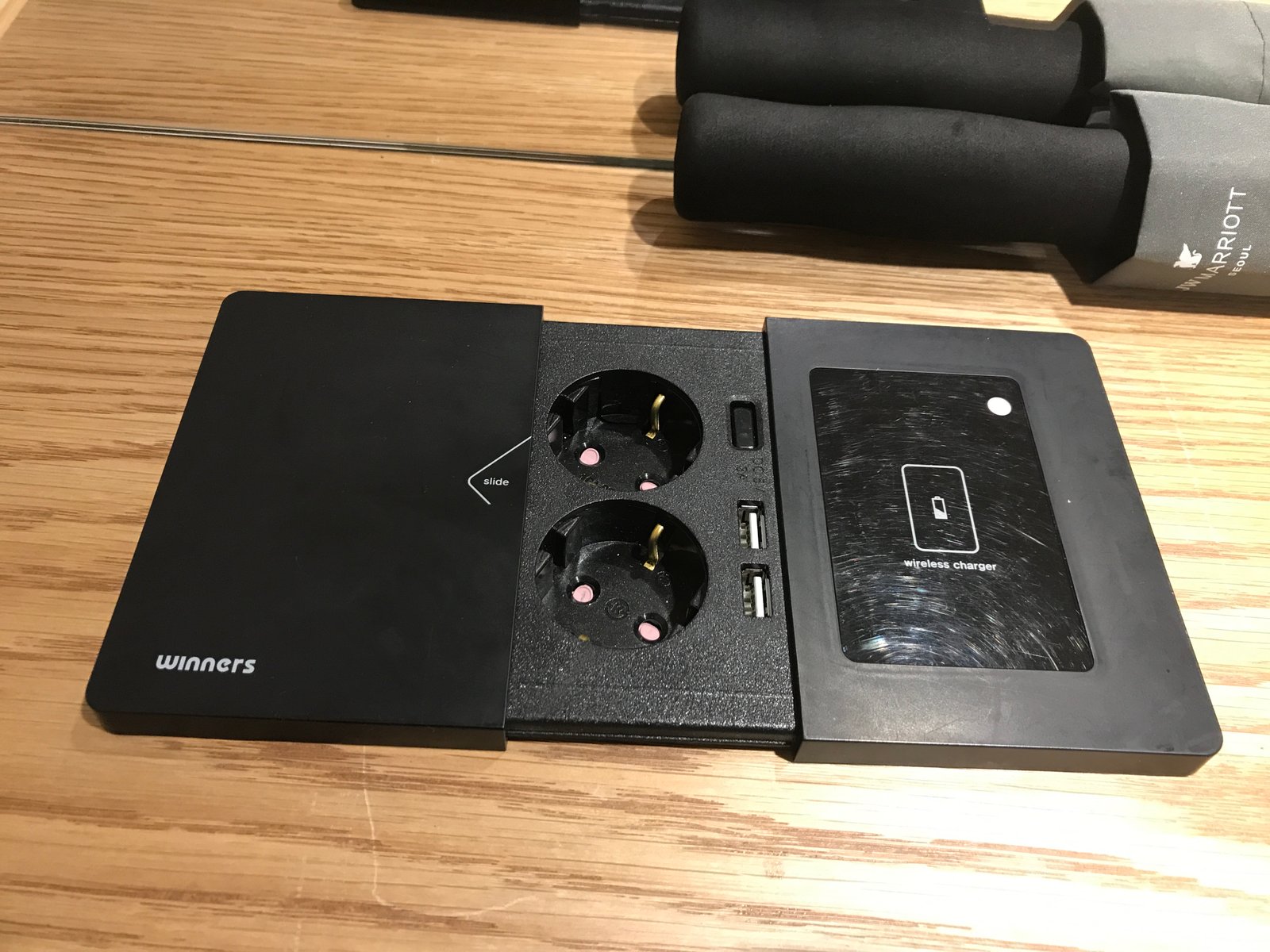
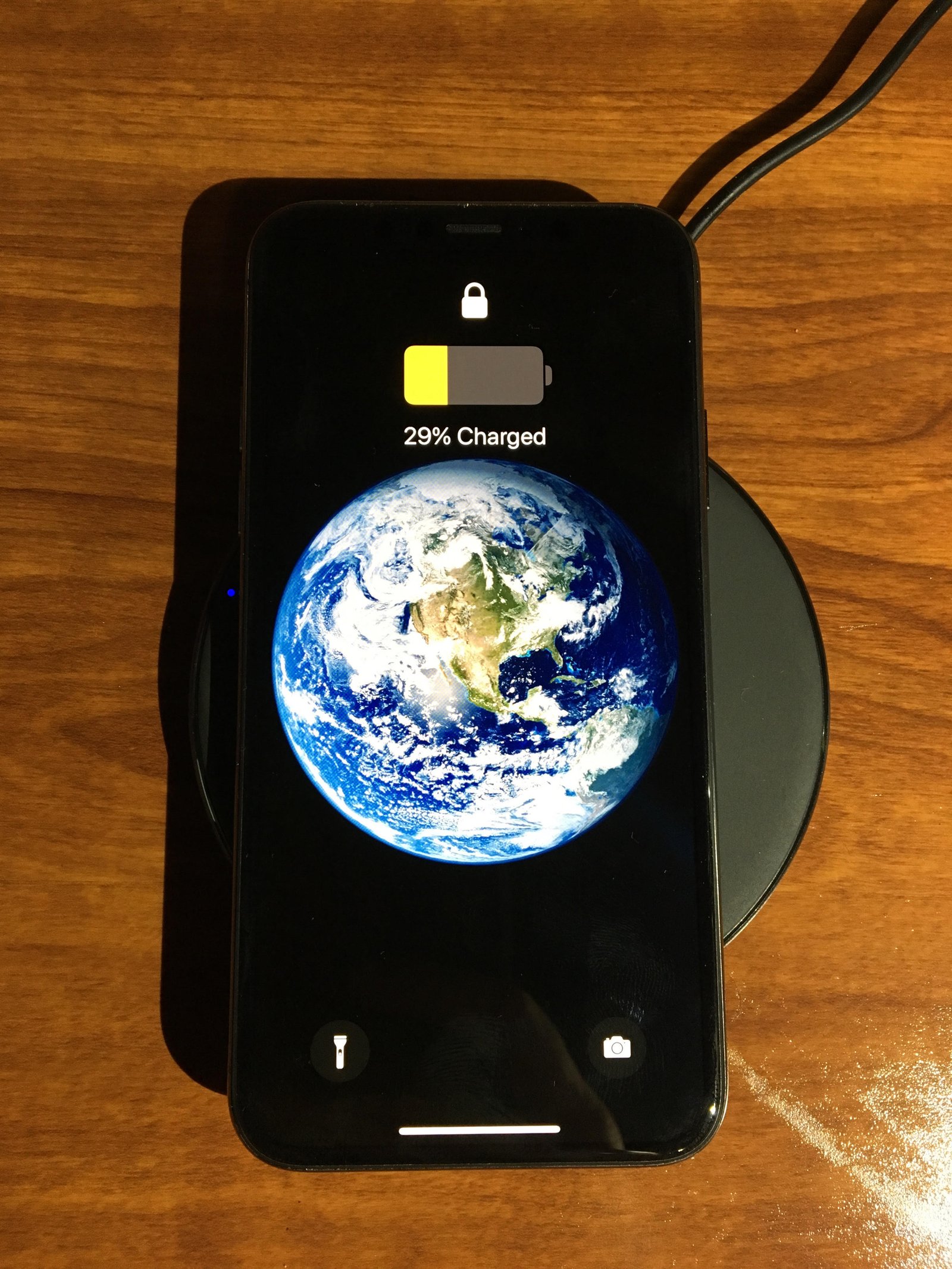
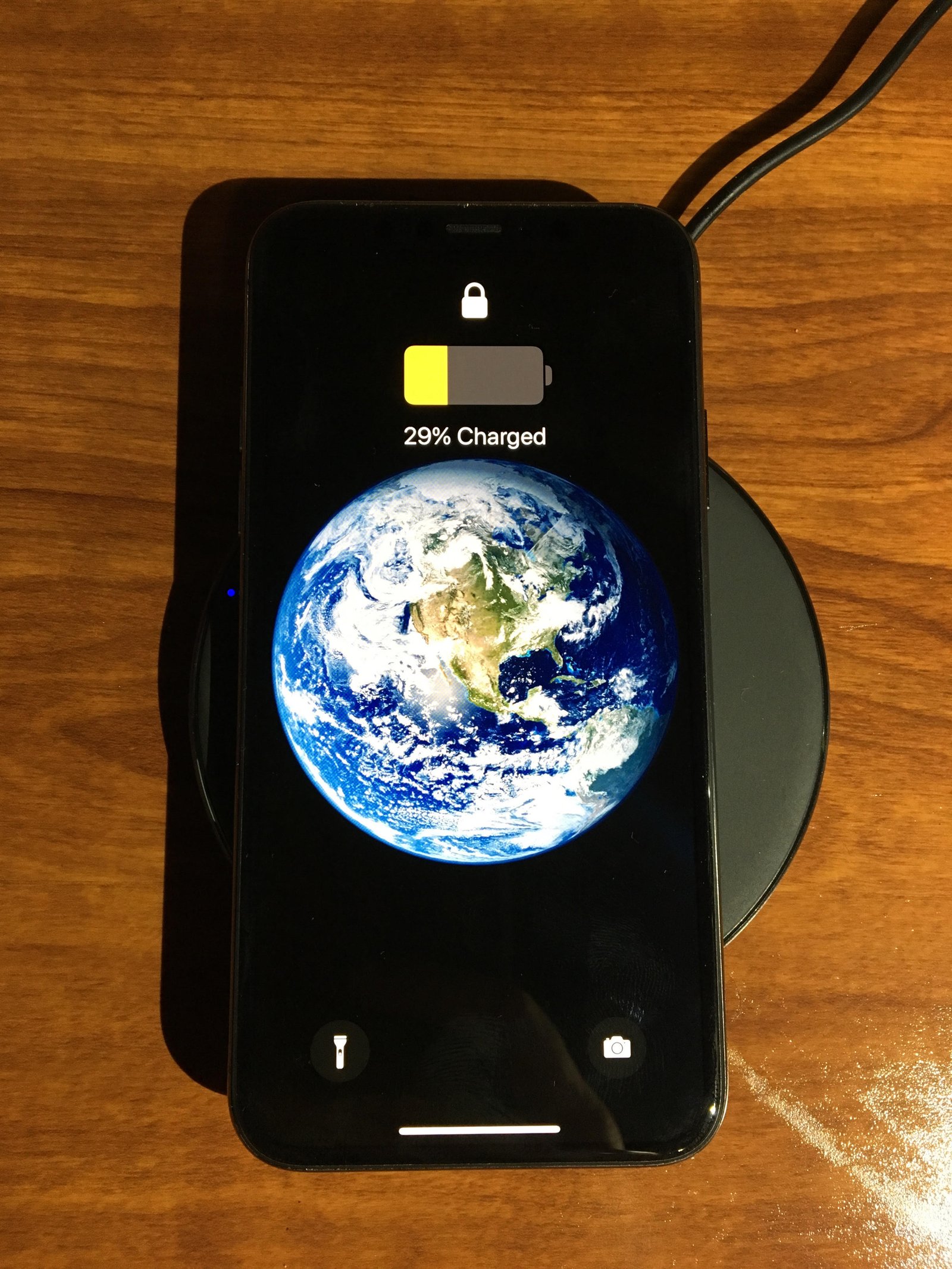
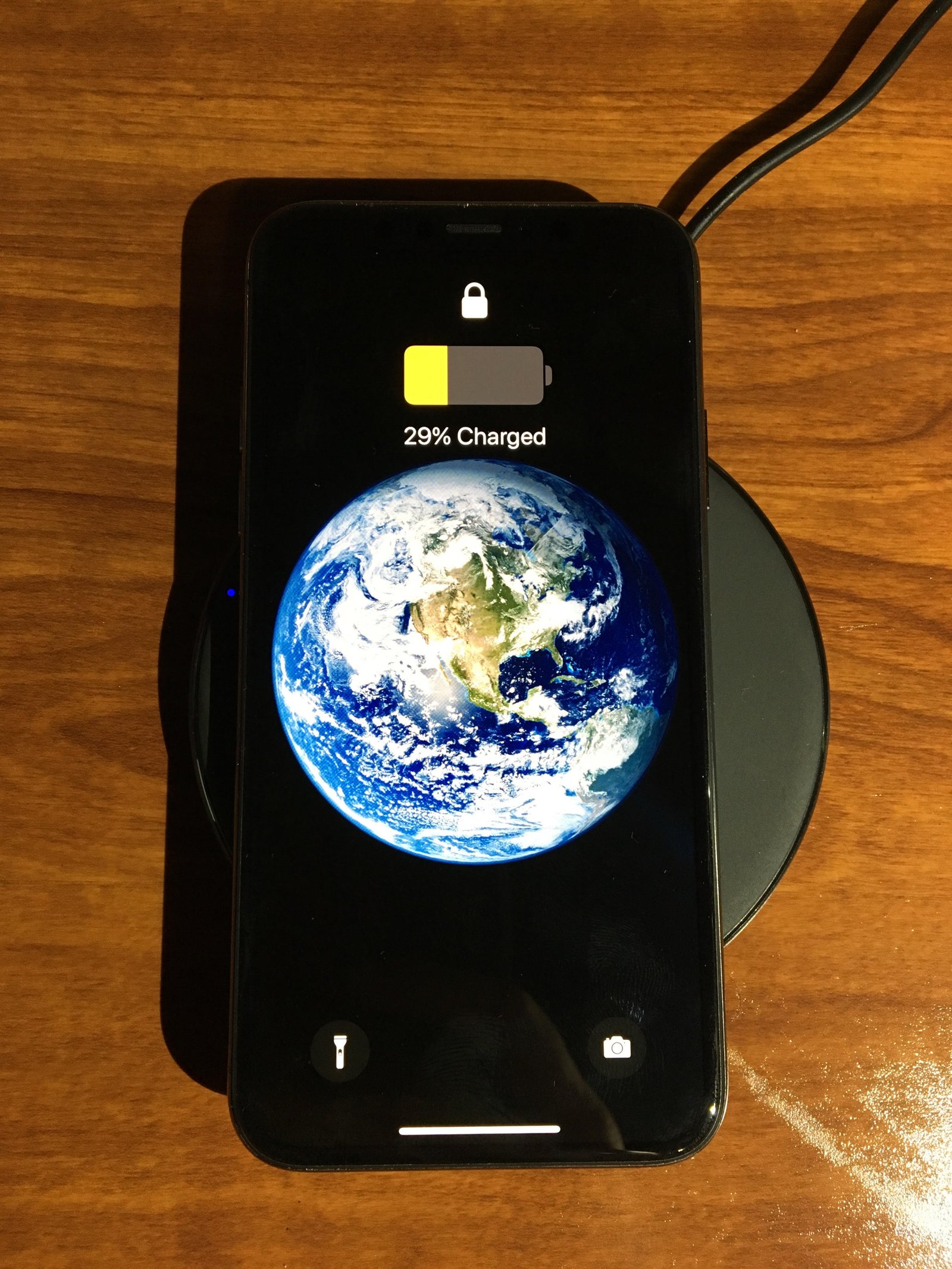
    Smartphone charging test used to check a refurbished phone battery and charging system
    Test charging before the return window closes. Use a known-good cable and charger, then check the port for a loose connection, unusual heat, or charging that stops when the phone moves. If the phone supports wireless charging, test that too. A device can look clean while still having a worn battery or damaged charging hardware. Compare battery health information with real use over a full day instead of trusting only one percentage shown by the operating system.

    The safest way to buy refurbished is to treat the purchase like a technical inspection rather than a bargain hunt. This guide explains what to check before ordering, what to test during the return window, and which warning signs should make you walk away.

    Understand what “refurbished” actually means

    Refurbished usually means a used device has been inspected, tested, cleaned, repaired if needed, reset, and resold. The exact process varies dramatically by seller.

    One company may replace a worn battery and damaged screen. Another may only verify that the phone turns on.

    Look for a written refurbishment standard

    A trustworthy seller should explain what is tested, which parts may be replaced, how cosmetic grades work, and what warranty is included.

    Refurbished is different from simply used

    A normal used phone may come directly from a previous owner with no professional inspection or warranty. That can be fine when the price is right, but the buyer takes more responsibility.

    A refurbished phone should offer a more structured process and some form of seller accountability.

    Start with the seller, not the phone

    The same model can be a safe purchase from one seller and a risky purchase from another.

    Check the company’s history, return policy, warranty, contact information, grading rules, and customer-service process.

    Prefer sellers that describe specific testing

    Useful checks include battery, cameras, microphones, speakers, buttons, charging, biometric sensors, display, cellular radio, Wi-Fi, Bluetooth, and account locks.

    Manufacturer refurbishment is usually the easiest benchmark

    When available, official refurbishment programs from companies such as Apple provide clear processes and warranty terms.

    Manufacturer-refurbished devices may cost more than marketplace options, but the standards and support are easier to verify.

    Carrier and large-retailer programs can also be useful

    Major carriers and established retailers may sell certified pre-owned or refurbished devices with defined testing and return policies.

    Read the exact terms because “certified” is not a universal technical standard.

    Marketplace sellers require more checking

    A large marketplace may host many independent refurbishers. The marketplace brand does not mean every seller follows the same quality level.

    Review the individual seller, not only the product listing.

    Check recent reviews for the exact refurbisher

    Look for patterns involving battery health, fake parts, activation problems, cosmetic grading, and return handling.

    Choose the right cosmetic grade

    Grades such as Excellent, Very Good, Good, Grade A, or Grade B are seller-defined.

    One seller’s “excellent” may allow small scratches while another’s may look nearly new.

    Read the grading description

    Do not pay extra for a grade name without knowing what defects are allowed.

    Cosmetic wear is less important than functional condition

    A small frame scratch may be harmless. A dim display, weak battery, loose charging port, damaged camera stabilization, or unreliable Face ID can affect daily use much more.

    Prioritize functionality over perfect appearance when value matters.

    Check the exact model number

    A phone name can include several regional variants. Different versions may support different cellular bands, SIM configurations, eSIM features, or warranties.

    Ask for the exact model number before buying when network compatibility matters.

    Imported phones can create support problems

    A phone built for another market may work on your network but lack certain bands, carrier features, or local service coverage.

    Verify network compatibility

    Check that the phone supports your carrier’s LTE and 5G bands and important features such as VoLTE or Wi-Fi calling where required.

    Use the carrier’s official compatibility checker when available.

    Check whether the phone is carrier locked

    A locked device may accept SIM cards only from one network until it meets the carrier’s unlocking requirements.

    “Unlocked” should be stated clearly in the listing if that is what you need.

    Test with your SIM or eSIM during the return window

    Do not assume activation is fine because Wi-Fi works.

    IMEI status matters

    The IMEI identifies the phone on cellular networks. A device reported lost, stolen, or tied to unresolved financing can be blocked.

    Use a carrier or reputable official checking process where available.

    Do not publish your IMEI publicly

    Share it only with trusted carrier or support channels when required.

    Activation locks must be removed

    Apple devices can remain tied to a previous owner’s Apple Account through Activation Lock. Android devices can have factory-reset protection or manufacturer account locks.

    A properly refurbished phone should arrive ready for a new owner to activate.

    Never pay for a phone that asks for the previous owner’s credentials

    Return it. Do not use bypass services or unofficial unlock tools.

    Battery health is one of the biggest value factors

    Lithium-ion batteries lose capacity over time. A three-year-old phone with its original battery may have much less runtime than when new.

    Ask the seller whether it guarantees a minimum battery health or replaces batteries below a threshold.

    Check battery health after arrival

    On iPhone, review the Battery Health section where supported. Android battery diagnostics vary by manufacturer. You can also observe real runtime and unexpected shutdowns.

    A replaced battery can be good

    A properly installed high-quality replacement can make an older phone much more useful.

    The important questions are who installed it, whether the part is genuine or reputable, and whether battery-health features work normally.

    Beware of very cheap unknown batteries

    Poor battery cells can have inaccurate capacity claims, rapid degradation, swelling, or thermal risk.

    If the seller cannot explain its parts policy, consider another source.

    Screen replacement quality matters

    A replacement display may look fine at first but have lower brightness, poor color, weak touch response, missing high-refresh support, or unreliable fingerprint sensing.

    Check whether the seller uses original, manufacturer-authorized, or aftermarket screens.

    Test brightness outdoors

    A low-quality display may be difficult to see in sunlight even if it looks normal indoors.

    Check touch response across the entire panel

    Open a drawing or notes app and drag your finger across every part of the screen.

    Look for dead zones, ghost touches, and inconsistent response near the edges.

    Inspect for burn-in

    OLED screens can develop persistent image retention after long use.

    Display solid gray, white, red, green, and blue backgrounds and look for faint navigation bars, keyboards, or icons.

    Test biometric authentication

    Face recognition and fingerprint sensors can be affected by poor repairs.

    Set up your own biometric profile and test it repeatedly.

    Missing biometric functions are a major warning sign

    Do not accept “Face ID doesn’t work but everything else is fine” unless you knowingly bought a damaged phone at a price that reflects it.

    Test every camera

    Switch between main, ultrawide, telephoto, selfie, and macro cameras if present.

    Take photos and video in bright and low light. Check autofocus, stabilization, lens haze, scratches, and unusual vibration.

    Listen for camera rattling only in context

    Some optical stabilization modules can make a small sound when the phone is moved. Violent shaking or blurry focus is different.

    Test microphones and speakers

    Record a voice memo, make a call, use speakerphone, and play music.

    Check earpiece volume, bottom speakers, microphones, and noise during recording.

    Check the charging port

    Insert a known-good cable. It should fit securely without disconnecting when moved gently.

    Wireless charging should also be tested if the phone supports it.

    Lint can imitate a damaged port

    A seller should clean ports, but do not dig into a connector with metal tools yourself.

    Test buttons and vibration

    Power, volume, mute switches, action buttons, and haptic feedback should work consistently.

    Sticky or unusually loose buttons can indicate impact or poor repair.

    Check proximity and ambient-light sensors

    During a call, the screen should turn off when held to your ear. Automatic brightness should respond to different lighting.

    Sensor problems can be caused by badly fitted replacement screens.

    Check Wi-Fi and Bluetooth

    Connect to your normal Wi-Fi network and pair headphones or another Bluetooth accessory.

    Weak range can indicate antenna damage.

    Test GPS outdoors

    Open a trusted map app and check whether location locks quickly and follows movement accurately.

    GPS problems can be easy to miss during an indoor inspection.

    Check NFC and payments if important

    If you depend on contactless payment or NFC tags, confirm the hardware works before the return period ends.

    Payment setup may require normal security verification.

    Water resistance is difficult to guarantee after repair

    Opening a phone can affect adhesive seals. Even a professionally resealed device may not have the same real-world resistance as a new factory-sealed unit.

    Do not deliberately submerge a refurbished phone to test it.

    Treat water resistance as reduced confidence

    Use normal care around pools, rain, and bathrooms even if the original model carried an IP rating.

    Inspect the frame for signs of heavy impact

    Dents near corners, gaps between frame and screen, bent chassis sections, and uneven back panels can indicate a serious drop.

    Cosmetic scratches are different from structural deformation.

    Check for battery swelling

    A raised screen, separated back panel, or unusual gap can indicate a swollen battery.

    Stop using the phone and return it or seek qualified service. Do not press the panel back into place.

    Check storage capacity

    Make sure the settings show the storage size you paid for.

    A listing mistake between 128 GB and 256 GB is easy to catch on day one.

    Verify RAM only when variants differ

    Some Android models have the same name with different RAM configurations. Check the exact variant if multitasking performance matters.

    Run all software updates

    Install current official updates after setup. This confirms the phone can still communicate with the manufacturer’s update system.

    A device on an unsupported operating-system version may have limited remaining life.

    Check remaining software-support years before buying

    An older flagship can be fast but close to the end of security support.

    Compare the purchase price with how many useful supported years remain.

    A newer mid-range phone may be a better long-term value

    Do not choose an old flagship only because its original launch price was high.

    Factory-reset the phone yourself after inspection

    Even if the refurbisher says the phone was wiped, perform a proper reset and set it up with your own account.

    This gives you a clean starting point.

    Do not restore every old app immediately

    Test the phone in a clean state first. That makes it easier to separate hardware problems from issues caused by old apps or settings.

    Check accessories in the box

    A refurbished phone may not include the original charger, cable, box, or SIM tool.

    Read the listing and budget for a safe charger and cable if needed.

    A generic charger can be fine if it is standards-compliant

    You do not need original packaging for a good experience, but electrical accessories should be reputable and compatible.

    Warranty length tells you something about seller confidence

    A longer warranty is useful, but read what it covers.

    Battery degradation, accidental damage, water, cosmetic defects, and third-party repair may have exclusions.

    Return policy can be more important than warranty

    A 14- or 30-day return window lets you discover problems that are hard to test in five minutes.

    Check whether return shipping or restocking fees apply.

    Test hard during the return window

    Use the phone as your main device for several days. Calls, camera, GPS, charging, sleep, work apps, gaming, and travel can reveal different issues.

    Document the condition when it arrives

    Take photos or video while opening the package, especially for expensive devices.

    This can help if the seller disputes an existing crack or dent.

    Keep the packaging until you decide

    Do not throw away seller labels, accessories, or return materials on the first day.

    Watch for fake “new” condition

    A phone described as new should not have a used battery, replacement screen, or previous activation without clear disclosure.

    If the listing language is misleading, return it.

    Check whether replacement parts trigger warnings

    Some phones display service history or messages when the battery, screen, or camera has been replaced.

    A warning does not always mean the phone is unsafe, but it tells you to investigate the repair.

    Ask for repair history when buying locally

    A private seller may know whether the phone was dropped, opened, or repaired.

    Use the answer as one piece of evidence, not the only evidence.

    Meet local sellers safely

    Use a public place with reliable connectivity. Do not carry unnecessary cash. Test account locks and cellular activation before completing the sale.

    Do not send deposits to unknown private sellers

    Scammers may copy legitimate phone photos and request a holding payment.

    Use a platform with buyer protection or an in-person process you can verify.

    Compare the refurbished price with a new mid-range phone

    A discounted old flagship may compete with a new mid-range device that includes a fresh battery, longer warranty, and more years of updates.

    Compare the complete ownership value.

    Calculate likely battery replacement cost

    If the refurbisher guarantees only 80 percent battery health, include the possibility of service during your ownership period.

    Consider trade-in value

    A well-known flagship may retain more trade-in value than a budget phone, but condition matters.

    Do not overpay today based on an uncertain future resale price.

    Be cautious with financing

    A second-hand phone linked to unpaid financing can create problems in some markets.

    Buy from sellers that guarantee a clear device status.

    Check dual-SIM and eSIM features

    If you travel or use two numbers, verify the exact SIM configuration for the regional model.

    Physical SIM slots and eSIM support can differ between countries.

    Check repair availability in your location

    A rare imported phone may be difficult to repair even if its purchase price is attractive.

    Search for battery and screen availability before buying.

    A one-hour arrival test

    Inspect the frame and display. Check model and storage. Set up your account. Test battery health. Test cameras, speakers, microphones, buttons, charging, Wi-Fi, Bluetooth, GPS, biometric unlock, and cellular service. Check for software updates and activation locks.

    A three-day real-life test

    Use normal apps, take photos, make calls, navigate, stream video, charge overnight, and observe battery drain and heat.

    Write down unexpected behavior while the return option is still open.

    A practical refurbished-phone checklist

    Choose a reputable seller. Read the refurbishment standard. Confirm exact model and network support. Verify unlocked status and IMEI. Ensure previous-account locks are removed. Check battery-health guarantee. Review screen and parts policy. Read warranty and return terms. Inspect and test every major hardware function. Update software. Calculate remaining support years and total cost.

    Conclusion

    A refurbished phone can be an excellent value when the seller is trustworthy and the device passes a real inspection. The biggest risks are not cosmetic scratches. They are account locks, bad batteries, poor replacement parts, unsupported regional models, hidden structural damage, and weak return protection.

    Start with the seller. Verify the exact model and network status. Test the battery, display, cameras, radios, sensors, charging, and biometric features during the return window. Check how many years of software support remain.

    If the phone passes those checks, a refurbished flagship can deliver years of useful service for much less than its original price. If the seller makes basic facts difficult to verify, the discount is not worth the uncertainty.
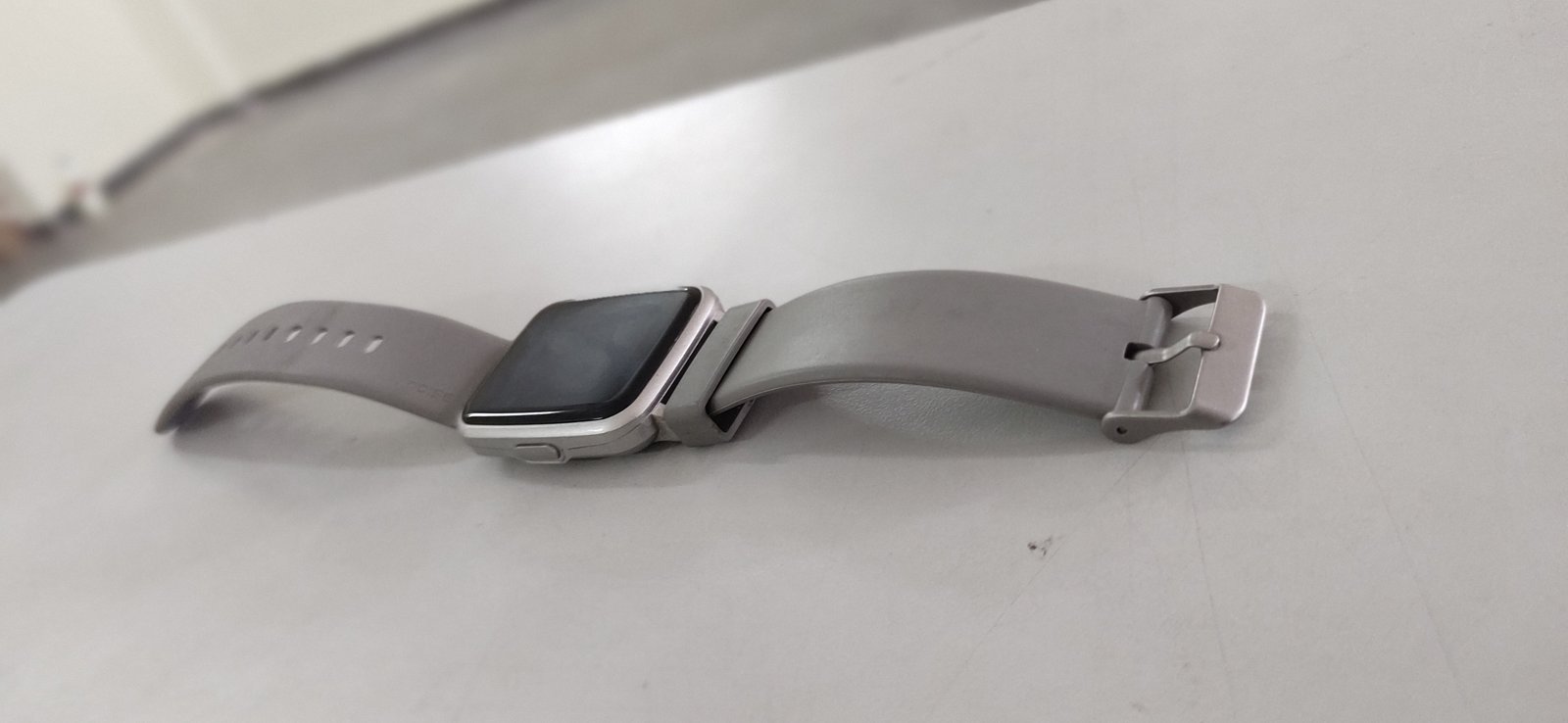

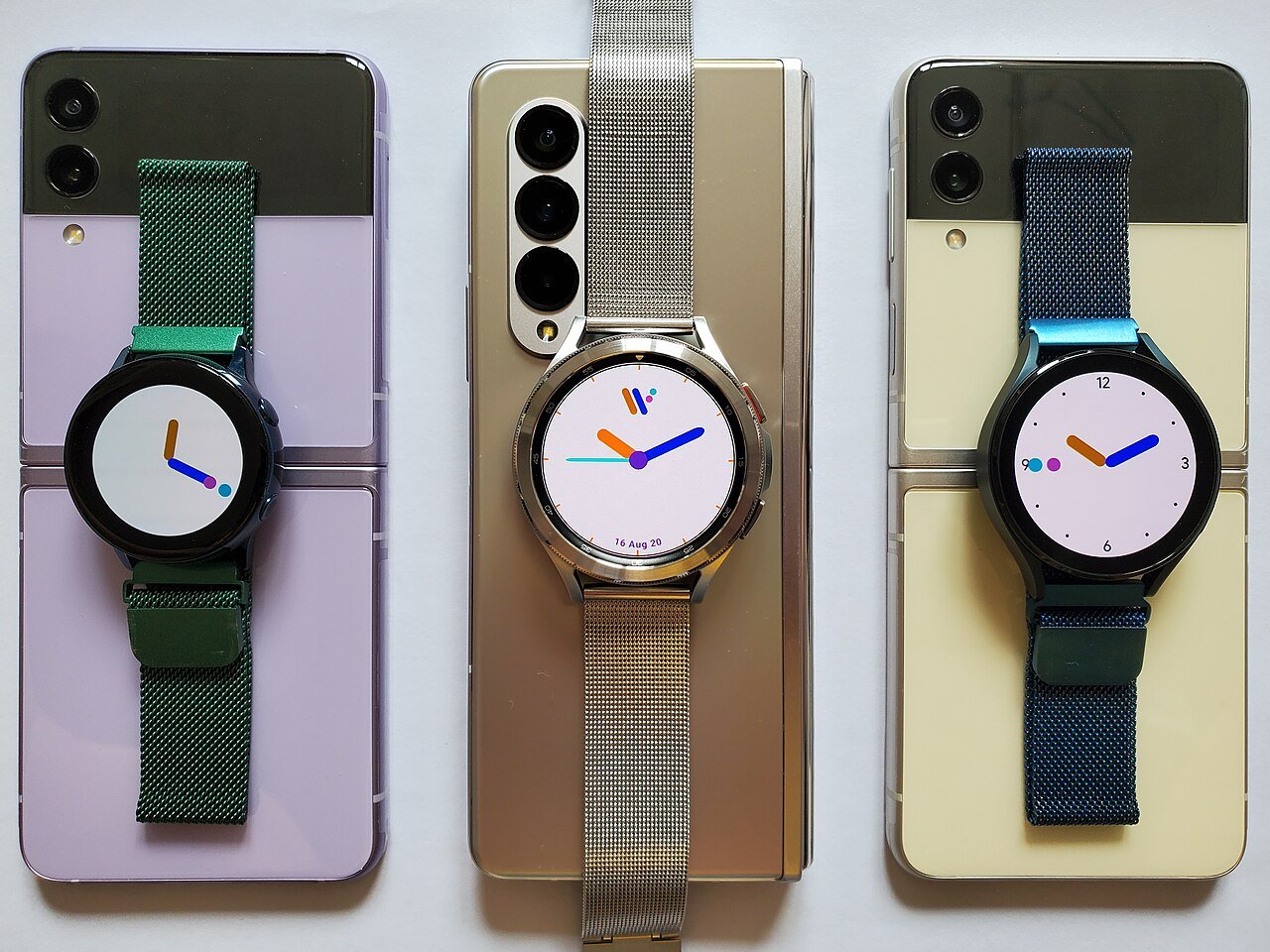
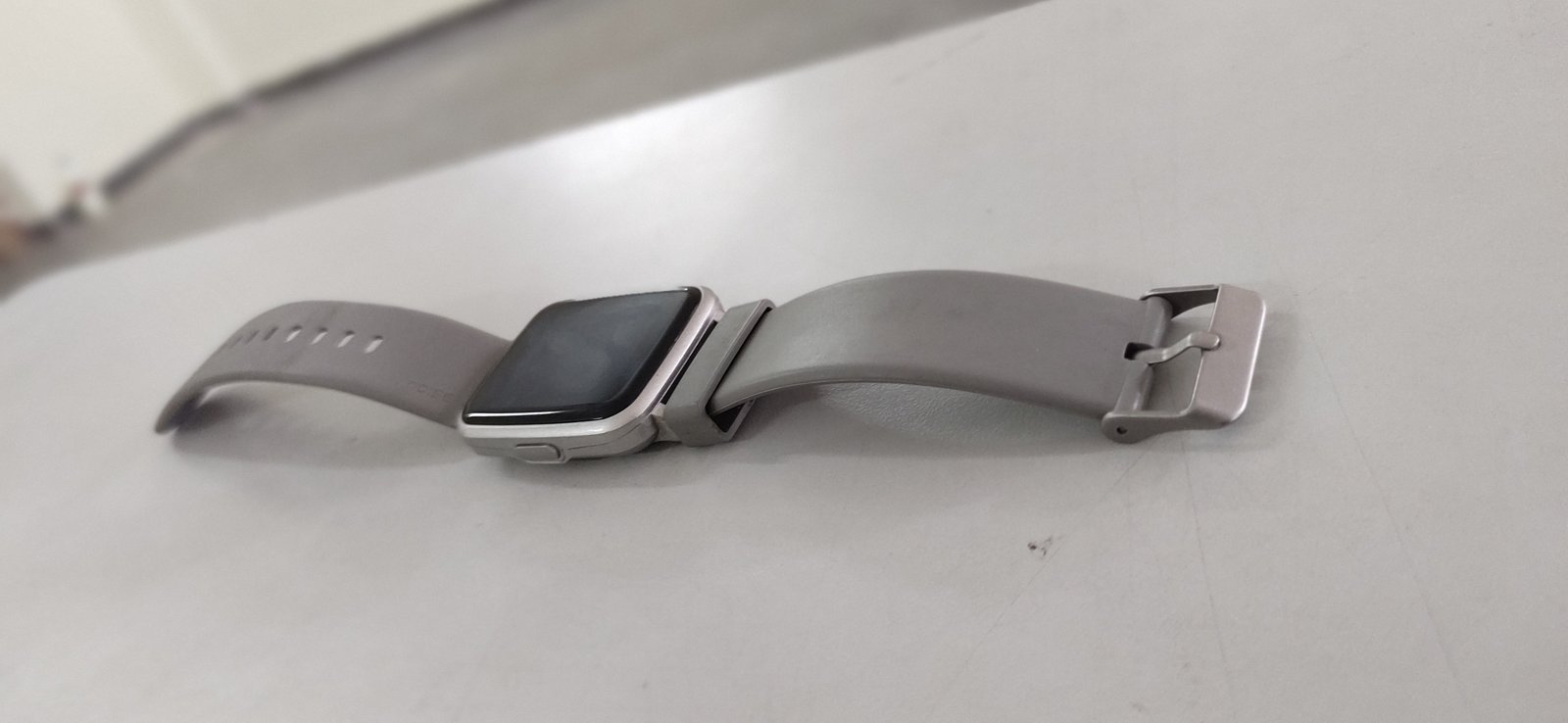
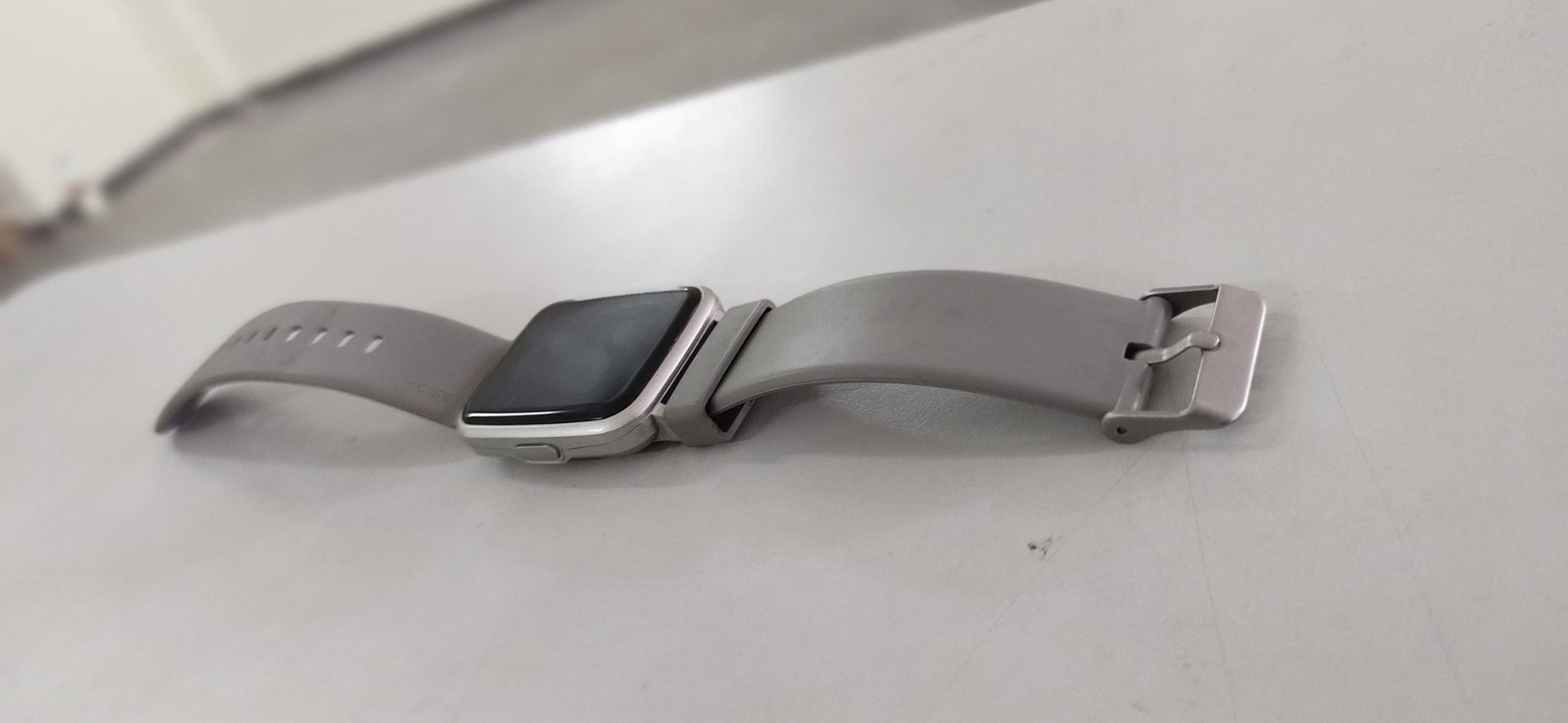
    Wearable device used to test Bluetooth pairing with a refurbished smartphone
    Check the radios and accessories you actually use. Pair Bluetooth earbuds or a wearable, join both 2.4 GHz and 5 GHz Wi-Fi if available, test NFC or contactless features, and confirm cellular service on your carrier. A refurbished phone may pass a basic screen test but still have a weak antenna, damaged Bluetooth behavior, or a previous repair that affects sensors. Run these checks while the seller’s return period is still active.
    Checklist used to record refurbished phone condition warranty and test results
    Keep a short inspection record when the phone arrives. Note the IMEI or serial number, advertised grade, battery condition, storage capacity, cosmetic damage, included accessories, and warranty terms. Photograph the device before heavy use. If you need to return it, this record helps show the condition in which it arrived. Also confirm that the seller’s invoice matches the device you received and that the return process does not require removing important evidence.
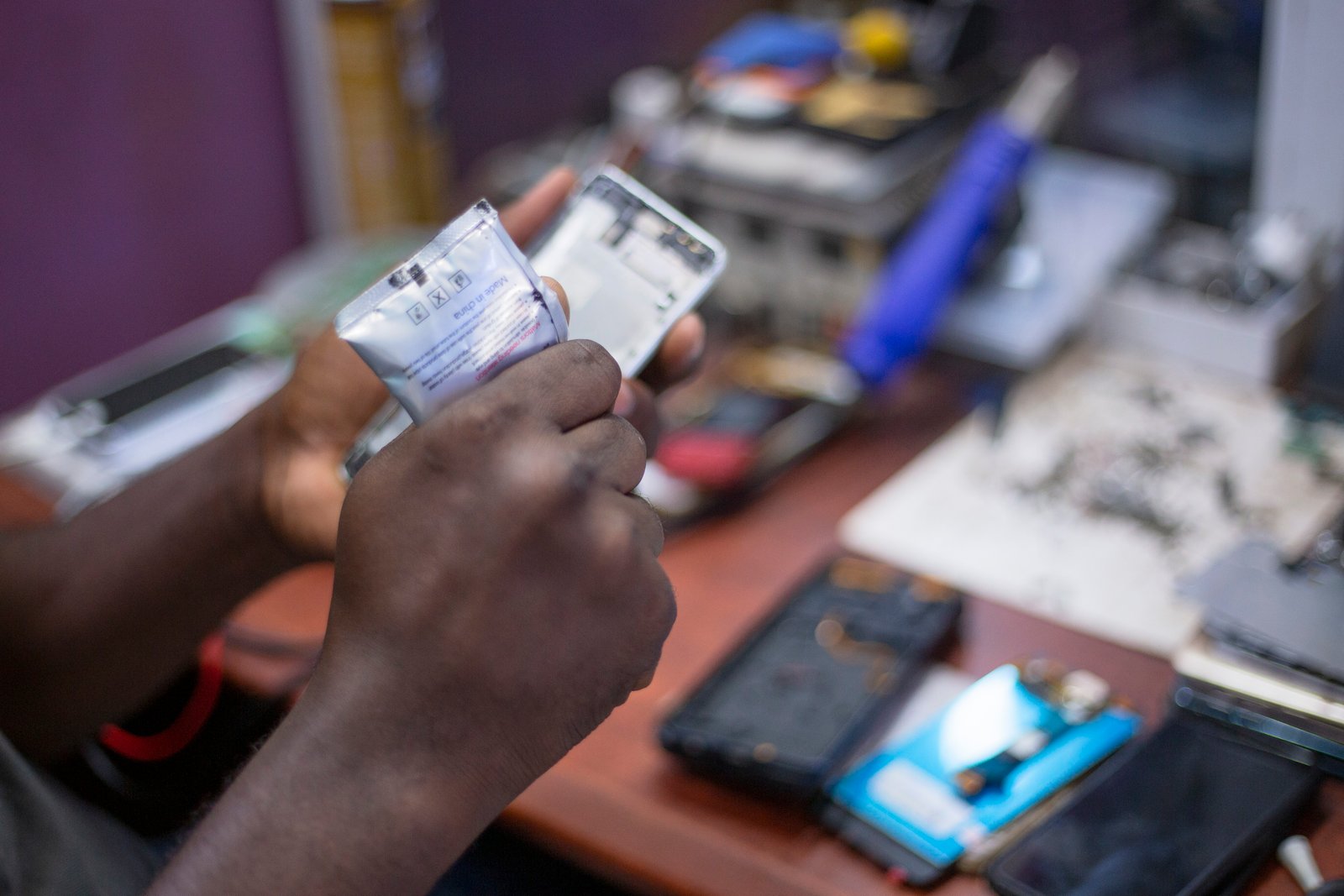
    Computer used to verify a refurbished phone seller warranty and device status
    Before buying, verify the seller as carefully as the phone. Read the warranty terms, return window, battery standard, grading policy, and whether parts may be aftermarket. Check that the device is not activation-locked and that its IMEI or serial status can be verified through the appropriate official service. A slightly higher price from a seller with clear testing and a real warranty can be a better value than the cheapest listing with vague condition claims.
  • Smart Rings vs Smartwatches: Which Wearable Fits Your Sleep, Fitness, Battery, and Privacy Needs?

    Smart Rings vs Smartwatches: Which Wearable Fits Your Sleep, Fitness, Battery, and Privacy Needs?

    Smart rings and smartwatches can both track health and activity, but they feel very different in daily life. A watch puts a screen, notifications, apps, maps, timers, and workout controls on your wrist. A smart ring is smaller, quieter, and often built around passive tracking rather than constant interaction.

    Smartwatch used for sleep, fitness, notifications, and health tracking

    Neither format is automatically better. The right choice depends on whether you want a tiny sensor you can mostly forget about or a wearable computer that can replace some phone tasks. This guide compares the two formats from the perspective of real use: sleep, exercise, battery life, comfort, accuracy, subscriptions, durability, and privacy.

    Start with the main job you want the wearable to do

    Write down the three things you want most. Common goals include sleep tracking, step counts, running, gym workouts, recovery, heart-rate trends, notifications, contactless payments, navigation, timers, or reducing phone use.

    If your list is mostly passive health tracking, a ring deserves serious consideration. If your list includes interaction and live workout controls, a watch is usually stronger.

    Do not buy based on the longest feature list

    A device with fifty features you ignore is less useful than one that does five important things comfortably.

    Smart rings are designed to disappear into your routine

    A ring has no large display competing for attention. You wear it, sync it, and review the information later in an app.

    This can be attractive for people who want health trends without another screen.

    Quiet tracking is the main experience

    A ring will not normally replace a phone or smartwatch for messages, maps, music controls, or calls. Its strength is collecting data with minimal interaction.

    Smartwatches are interactive devices

    A smartwatch can show notifications, start timers, display navigation, control music, take calls on some models, run apps, and provide live workout data.

    Products from Apple Watch, Samsung, Garmin, and other manufacturers differ widely in focus.

    The screen is both a benefit and a distraction

    If you are trying to look at your phone less, a watch can help by handling small tasks. It can also create a new stream of wrist notifications if you enable everything.

    Sleep comfort favors smaller devices for many people

    A ring can be easier to wear overnight because it is smaller and has no bright screen. Some users dislike the feeling of any ring in bed, while others forget it is there.

    A watch can feel bulky under blankets or against a pillow, especially with a large case or stiff band.

    Try the device before committing

    Comfort is personal. A narrow lightweight watch may bother you less than a thick ring, and finger swelling can change ring comfort overnight.

    Ring sizing is more important than normal jewelry sizing

    Smart rings contain sensors that need good skin contact. Manufacturers often provide a sizing kit because the fit may differ from ordinary jewelry.

    Your finger size also changes with temperature, exercise, hydration, and time of day.

    Wear the sizing sample for several days

    Test sleeping, washing hands, typing, exercising, and normal daily activities before ordering the final ring.

    Watches are easier to adjust

    A watch strap can usually be tightened or loosened quickly. You can also change bands for sports, work, or sleep.

    This flexibility can improve sensor contact during workouts.

    Passive heart-rate tracking works well on both formats

    Both rings and watches can use optical sensors to estimate heart rate and related trends. Accuracy varies by device, fit, movement, skin contact, and activity.

    Resting measurements are generally easier than fast-changing exercise data.

    Do not treat consumer wearables as medical diagnosis tools

    Some devices have regulated health features in supported countries, but a wearable should not replace professional medical evaluation when you have symptoms or health concerns.

    Exercise tracking usually favors watches

    A smartwatch can display live pace, distance, heart rate, zones, interval timers, lap data, and navigation while you move.

    A ring may record activity, but the lack of a screen makes live coaching and workout control more limited.

    Serious runners often benefit from physical controls

    Touchscreens can be difficult in rain or with gloves. Sports watches with buttons can be easier during training.

    Strength training can be uncomfortable with a ring

    Gripping barbells, dumbbells, kettlebells, or pull-up bars can press a ring into the finger and scratch the device.

    Many users remove rings during heavy lifting.

    A watch can also get in the way

    Wrist wraps, gloves, and certain movements can interfere with a watch. The difference is that removing and reattaching a watch is often simpler than keeping track of a tiny ring in a gym.

    Swimming requires model-specific checking

    Water resistance ratings vary. Check the manufacturer rating and whether pool or open-water workouts are officially supported.

    Water resistance can also change with age and damage.

    Step counting can differ between devices

    A ring on the hand and a watch on the wrist interpret movement differently. Pushing a stroller, carrying a bag, typing, or cooking can affect motion-based estimates.

    Use step counts as trends rather than assuming every device produces identical numbers.

    Sleep staging is an estimate

    Wearables infer sleep phases from motion, heart rate, temperature, and other signals. They are not the same as a clinical sleep study.

    The most useful information is often consistency: bedtime, total sleep duration, wake periods, resting heart-rate trends, and how your behavior changes over weeks.

    Do not chase a perfect sleep score

    If a score makes you anxious despite feeling rested, use the data less often. A wearable should support better habits, not create a new source of stress.

    Recovery scores simplify multiple signals

    Some devices combine sleep, heart-rate variability, resting heart rate, temperature, activity, and recent load into a readiness or recovery score.

    The score is a model, not a direct measurement of whether you should train.

    Use your own condition as an input

    Illness, soreness, stress, travel, and motivation matter too. Treat recovery scores as context, not commands.

    Battery life often favors rings

    Without a large display, rings can often run for several days between charges. Exact runtime depends on model, battery age, enabled features, and sensor use.

    Many full-featured smartwatches need more frequent charging, although endurance-focused watches can last much longer.

    Battery routine affects data completeness

    A device that is always on the charger while you sleep cannot record sleep. Choose a charging routine that fits your priorities.

    Charging a ring is easy to forget

    Because you may not interact with it often, a ring can reach low battery without attracting attention.

    Set a reminder or charge during showers, desk work, or another repeatable activity.

    Watch charging can become part of a routine

    Short charging sessions during breakfast or a shower can keep many watches running without losing overnight data.

    Faster charging can matter more than total battery capacity if your schedule is predictable.

    Notifications strongly favor watches

    A watch can display caller names, messages, calendar alerts, navigation turns, and app notifications.

    A ring generally cannot show text without a display.

    Disable low-value alerts

    If you choose a watch, turn off shopping promotions, social noise, and other alerts that do not deserve a wrist vibration.

    Payments are more common on watches

    Many smartwatches support contactless payment through platform services. Support depends on country, bank, and model.

    Payment features are much less common on health-focused rings.

    Navigation favors a display

    Walking directions and turn prompts are useful on a smartwatch when you do not want to hold a phone.

    A ring cannot give the same visual map experience.

    Music control favors a watch

    A watch can pause music, change tracks, adjust volume, or control earbuds during exercise.

    Some watches can store offline music or stream directly with cellular connectivity.

    Cellular watches can reduce phone dependence

    Selected smartwatch models can use cellular service for calls, messaging, music, and emergency features without the phone nearby.

    This usually requires carrier support and an additional plan.

    Battery use increases

    Standalone cellular use can drain a watch faster than normal Bluetooth operation.

    Rings are more discreet at work

    A ring can collect data without lighting up during meetings or appearing like another screen.

    For people who prefer traditional watches, a smart ring lets them keep their normal watch while adding health tracking.

    Watches offer more accessibility features

    A screen, speaker, microphone, vibration motor, and apps can support timers, medication reminders, fall detection, communication, and other accessibility functions depending on the model.

    Check individual features and regional availability.

    Durability depends on how you use your hands

    Rings touch door handles, gym equipment, tools, desks, and metal objects throughout the day. Cosmetic scratches are likely on some finishes.

    Watches are exposed to impacts on the wrist but can use replaceable cases or protectors.

    Do not expect jewelry to stay perfect

    If cosmetic condition matters, review long-term user photos rather than only polished product images.

    Repairability is limited on tiny wearables

    Smart rings are tightly sealed devices with very small batteries. Repair options can be limited.

    Smartwatches are also compact, but some manufacturers offer battery or screen service.

    Battery aging matters over several years

    All rechargeable batteries lose capacity. A wearable with modest battery life when new can become inconvenient later.

    Check warranty and service options.

    Subscriptions can change total cost

    Some wearable platforms require a membership for advanced trends, recommendations, or historical analysis. Others include most features with the hardware purchase.

    Calculate the cost over two or three years.

    A cheap device can become expensive with a monthly fee

    Compare total ownership cost, not only the purchase price.

    Phone compatibility matters

    Some watches work only with one phone ecosystem. Others support Android and iPhone with different feature sets.

    Rings may also require specific app versions or operating systems.

    Check the exact feature set

    A wearable may pair with your phone but lose advanced features such as replies, payments, ECG, or device-finding.

    Data export matters if you care about long-term records

    Before committing to a platform, check whether you can export health data or sync it with Apple Health, Health Connect, Strava, or another service you use.

    Easy export reduces platform lock-in.

    Privacy deserves careful review

    Wearables can collect sleep schedules, heart rate, location, exercise, temperature trends, and other sensitive information.

    Review account security, data sharing, advertising settings, research participation, retention, and third-party integrations.

    Disable connections you do not use

    A fitness app connected years ago does not need permanent access if you stopped using it.

    Protect the account with strong authentication

    Use a unique password or passkey and multi-factor authentication where available.

    A lost wearable should not become easy access to your broader account ecosystem.

    Location tracking is not necessary for every feature

    GPS improves route and distance tracking, but continuous location creates more sensitive data.

    Use permission controls and understand which workouts require location.

    Consider whether you need both

    Some people wear a sports watch for workouts and a ring for sleep or recovery. This can provide flexibility but also duplicates cost and data.

    Before buying two devices, identify what the first one fails to do.

    More sensors do not automatically create better decisions

    If two dashboards give different recovery scores, you may end up with more confusion rather than more insight.

    Who should choose a smart ring

    A ring is a strong fit for someone who values sleep tracking, long battery life, minimal distraction, compact size, and passive health trends.

    It can also suit someone who wants to keep wearing a traditional watch.

    Who should choose a smartwatch

    A watch is better for live workouts, notifications, navigation, payments, apps, music controls, calls, and quick interaction.

    It is closer to a small computer on the wrist.

    Who may need a sports watch instead

    Serious endurance athletes may prefer a GPS-focused sports watch with long battery life, physical buttons, route navigation, training load, and specialized sensors.

    That category overlaps with smartwatches but has different priorities.

    Try a simple two-week experiment

    During the return period, wear the device during sleep, work, exercise, travel, and normal weekends.

    Track which features you actually use and which notifications or scores you ignore.

    Judge behavior change

    The best wearable is one that helps you make useful decisions, not merely one that records the most data.

    A practical wearable checklist

    Define your top three goals. Decide whether you need a screen. Test sleep comfort. Check workout controls. Compare real battery life. Review phone compatibility. Calculate subscription cost. Check water resistance and durability. Review export options. Read privacy settings. Protect the account. Use the return window to test your real routine.

    Conclusion

    Smart rings and smartwatches collect some of the same health signals, but the products serve different daily experiences. Rings are quiet, compact, and well suited to passive tracking. Watches are interactive and stronger for exercise feedback, notifications, navigation, payments, and phone-like tasks.

    Choose based on the behavior you want, not the newest sensor. If sleep and recovery trends matter more than screen features, a ring can be comfortable and simple. If you want live workout data and useful wrist interactions, a smartwatch offers much more.

    Whichever format you choose, remember that wearable metrics are estimates. Use them to notice patterns and support healthy habits, not as a substitute for medical care or your own judgment.

    Smartphone used to review wearable health and fitness data
    Charging setup illustrating battery routines for wearable devices
    Notes used to compare smart ring and smartwatch priorities
  • USB-C Charger Buying Guide: USB PD, PPS, Watts, Cables, and Safe Charging for Phones and Laptops

    USB-C Charger Buying Guide: USB PD, PPS, Watts, Cables, and Safe Charging for Phones and Laptops

    USB-C makes charging look simple because many phones, tablets, laptops, earbuds, cameras, and power banks now use the same connector. The connector is the easy part. The power standards behind it are where confusion begins.

    Smartphone charging setup used to compare USB-C charging choices

    Two chargers can have the same USB-C port and deliver very different power. A 20-watt phone charger may be perfect for a smartphone but painfully slow for a laptop. A 100-watt adapter may still charge a phone safely because the device negotiates the power it needs. A cable can also become the limiting part of the system.

    This guide explains how to choose a USB-C charger without relying on marketing claims alone.

    USB-C describes the connector, not the power

    USB-C is the physical reversible connector. It does not automatically mean fast charging, high-speed data, video output, or laptop-level power.

    The actual charging behavior depends on the charger, cable, and device.

    Do not judge by the port shape

    A cheap USB-C adapter may deliver only basic power while another similarly sized adapter supports high-wattage USB Power Delivery.

    What USB Power Delivery means

    USB Power Delivery, often called USB PD, is a standard that lets compatible devices and chargers negotiate voltage and current.

    Instead of forcing one fixed output, the charger and device agree on a supported power level.

    Negotiation is why a high-wattage charger can be safe for a phone

    A reputable 100-watt USB PD charger does not normally push 100 watts into a phone. The phone requests a power profile it supports.

    What PPS means

    Programmable Power Supply, or PPS, is an optional part of USB PD that allows the charger to adjust voltage in smaller steps.

    Some smartphones use PPS for their fastest supported charging modes and better power management.

    Check phone-specific requirements

    Some Samsung and other Android devices may need a PPS-capable adapter and suitable cable for their highest advertised USB-C charging speed.

    Start with the device’s required wattage

    Find the official charging specification for the device. A phone may peak around a modest wattage while a thin laptop may expect 45, 65, 90, or more watts.

    Use manufacturer documentation as the reference.

    Higher wattage does not always mean faster charging

    If a phone accepts 27 watts, connecting it to a 140-watt charger will not necessarily make it charge faster than a good 30-watt compatible charger.

    Laptops need more attention

    A laptop can sometimes run on a lower-power charger but still discharge slowly while under heavy load.

    If the original adapter is 65 watts, a 30-watt charger may be useful for light emergency charging but not for demanding work.

    Match or exceed the recommended USB-C power

    Using a reputable charger with equal or higher available wattage is usually the most flexible choice, provided the laptop supports USB-C PD charging.

    Not every USB-C laptop can charge through every USB-C port

    A laptop may have several USB-C ports but support charging on only specific ones.

    Look for charging symbols or check the manual.

    Cables have power ratings too

    A high-power charger is only part of the chain. The cable must safely carry the required current and support the needed standard.

    For higher-power USB PD modes, an electronically marked cable may be required.

    Do not use an unknown thin cable for a high-power laptop

    Use a cable from a reputable manufacturer with a clear wattage or current rating.

    A cable rated for data is not automatically ideal for charging

    USB-C cables can emphasize different features. Some are designed for high-speed data, some for charging, and some support both.

    Read the specification instead of assuming every USB-C cable is equivalent.

    Charging-only cables can be useful but limited

    A cable that carries power but little or no data can reduce cost for simple charging. It will not be useful when you need file transfer, a monitor, or a docking station.

    Understand 3-amp and 5-amp cables

    Higher-power USB-C charging can require a cable that supports up to 5 amps. Lower-power cables may be limited.

    Modern compliant cables identify their capabilities electronically where required.

    Multi-port chargers share power

    A charger advertised as 100 watts may provide 100 watts only when one specific port is used alone. When you connect a laptop and phone together, the power may split.

    Read the port allocation table.

    Example

    A 100-watt charger might provide 100 watts from port one alone, but 65 watts to the laptop and 30 watts to the phone when two devices are connected. Another design may allocate power differently.

    Port order can matter

    On many multi-port chargers, the first USB-C port supports the highest output. Secondary ports may have lower limits.

    Put the laptop on the highest-power port.

    Plugging in another device may interrupt charging briefly

    Some chargers renegotiate power when a new device is connected. A laptop may show a brief charging disconnect.

    This is normal on many multi-port designs but can be annoying for sensitive accessories.

    GaN chargers can be smaller

    Gallium nitride power electronics allow many modern chargers to deliver high output in a compact package.

    “GaN” describes a technology used in the charger, not a guarantee of quality.

    Do not buy only because GaN is printed on the box

    Safety design, thermal management, certification, component quality, and power negotiation still matter.

    Compact chargers can run warm

    High-power adapters convert significant energy in a small space. Warmth is expected.

    A charger that becomes extremely hot, smells unusual, buzzes loudly, or repeatedly stops should be disconnected and inspected.

    Fast charging can create phone heat

    Charging speed is managed by the device. The phone may reduce power when the battery is hot, nearly full, or under heavy use.

    A cooler phone may charge faster than one running navigation or gaming.

    Charging while gaming is harder on temperature

    Gaming produces processor heat while charging produces battery and power-conversion heat.

    If the phone becomes very hot, reduce load or pause fast charging.

    Use the right wall plug for travel

    Many modern USB-C chargers accept a wide input range such as 100–240 volts, but verify the label.

    You may need only a plug adapter when traveling internationally, not a voltage converter.

    Check the input specification

    Never assume universal voltage from the USB-C connector alone.

    Travel adapters and chargers are different

    A universal travel adapter changes the physical plug format. Some models also include USB charging electronics.

    Check whether its USB-C ports provide enough PD power for your devices.

    Do not overload low-quality travel adapters

    High-power hair dryers, heaters, and kettles are very different loads from phone chargers. Follow the travel adapter’s maximum AC rating.

    Power strips need safety certification too

    A good USB-C charger connected through a poor power strip still creates risk.

    Use reputable electrical accessories that meet local standards.

    A charger can be too weak without being dangerous

    A compliant low-power charger may simply charge slowly. A laptop may display “slow charger” or “not charging” under load.

    The solution is more available power, not a special software setting.

    Check charger protocols for non-USB-PD fast charging

    Some phone brands use proprietary charging methods for their highest speeds.

    A generic PD charger may still charge the phone safely but not at the maximum proprietary rate.

    Decide whether maximum speed matters

    If normal PD charging fills the phone comfortably overnight, you may prefer one universal charger over a brand-specific fast charger.

    One charger can replace several adapters

    A 65- to 100-watt multi-port USB-C PD charger can often cover a laptop, phone, earbuds, and power bank for travel.

    Calculate the simultaneous power you need.

    Travel example

    If your laptop needs 65 watts and your phone charges well at 25 watts, a charger capable of around 100 watts with a 65+30 split can reduce luggage.

    Desk charging benefits from spare capacity

    A charger with more total output than your current devices need can handle future accessories and simultaneous charging.

    Do not overspend on extreme wattage if you never use it.

    Charging a power bank requires input support

    A 100-watt power bank may output 100 watts but accept much less when recharging itself.

    Check both input and output specifications.

    Pass-through charging varies

    Some power banks and hubs can charge themselves while powering another device. Others cannot or reduce output heavily.

    Use only supported configurations.

    USB-C hubs can change power delivery

    A dock may reserve some incoming power for itself and connected accessories.

    If a 65-watt charger feeds a hub, the laptop may receive less than 65 watts.

    Use a larger adapter for a power-hungry dock

    Check the dock’s recommended input and downstream laptop power.

    Monitor USB-C charging can simplify a desk

    Some monitors provide video, USB data, and laptop power through one cable.

    Verify the monitor’s USB-C power output. A 45-watt monitor may be enough for an ultrabook but not a high-performance laptop.

    Thunderbolt does not automatically define charging wattage

    A Thunderbolt-capable USB-C cable may support high-speed data and display functions, but check its specific power rating for charging.

    Standards overlap but are not identical.

    Apple, Android, and Windows devices can share many chargers

    Modern USB PD allows a good charger to work across ecosystems.

    For exact fast-charging behavior, check documentation from Apple, your Android phone maker, and your laptop manufacturer.

    Do not buy counterfeit branded chargers

    A fake charger may copy the logo and housing of a trusted product without matching its safety design.

    Buy from the manufacturer, authorized sellers, or reputable retailers.

    Look for clear specifications

    A trustworthy charger should list input voltage, output profiles, maximum current, total wattage, and manufacturer information.

    Be cautious when the product page uses only vague claims such as “super fast” without electrical details.

    Check local safety marks

    Electrical certification systems differ by country. Look for legitimate compliance markings relevant to your region.

    A printed logo alone is not absolute proof, but missing basic safety information is a warning sign.

    Do not use damaged cables

    Replace cables with exposed wires, loose connectors, melted plastic, bent contacts, or repeated charging interruptions.

    A cable is a consumable accessory, not something to keep forever after visible damage.

    Keep USB-C ports clean

    Pocket lint can prevent the connector from seating properly. Do not dig into a port with metal objects.

    If cleaning is needed, power down the device and follow manufacturer guidance.

    Loose ports can imitate charger problems

    If several known-good cables disconnect when moved, the device port may need service.

    Do not keep forcing a damaged connector.

    Charge limits can protect long-term battery health

    Some laptops and phones let you stop routine charging around 80 percent. This can reduce time spent at a high state of charge when the device remains plugged in for long periods.

    Use full charge when you need the runtime.

    Overnight charging is managed by modern devices

    Reputable phones and laptops stop or reduce charging as the battery fills. Optimized charging can delay the final portion based on your routine.

    The bigger practical issue is heat, not the clock time alone.

    Do not put chargers under blankets

    Adapters need airflow. Avoid covering them with bedding, clothing, or thick cushions while delivering high power.

    Check warranty before using unusual accessories

    Using a standards-compliant charger is normally expected, but damage from unsafe accessories may not be covered.

    Follow device guidance for charging specifications.

    A phone-only buying example

    If your phone supports around 25 to 30 watts through USB PD or PPS, a reputable 30- or 45-watt charger can be enough. Choose a compatible cable and keep the adapter for several phone generations.

    A laptop-and-phone example

    If your laptop needs 65 watts and your phone needs 25 watts, choose a multi-port charger that can deliver those levels simultaneously, not merely a “100W” charger whose two-port split falls to 45+30.

    A creator travel example

    A photographer may need a laptop, camera, phone, and power bank. A 100- to 140-watt multi-port charger can reduce the number of adapters, but the total port allocation and cable ratings become important.

    A practical USB-C charger checklist

    Check each device’s official charging wattage. Confirm USB PD and PPS needs. Choose enough total power for simultaneous devices. Read the per-port allocation table. Use correctly rated USB-C cables. Verify input voltage for travel. Buy from a reputable source. Look for local safety compliance. Avoid damaged cables and adapters. Manage heat. Test the charger with your real devices before the return period ends.

    Conclusion

    Choosing a USB-C charger becomes much easier when you stop treating USB-C as one universal charging speed. The connector is shared, but power depends on USB PD profiles, PPS support, the device’s own limits, the cable, and multi-port allocation.

    Start with the highest-power device you need to charge. Add the simultaneous power required for other devices. Choose a reputable adapter with clear specifications and cables rated for the job.

    A good USB-C setup can replace several chargers and last across multiple devices. The goal is not the largest wattage printed on a box. It is reliable, standards-based power that matches the equipment you actually use.

    Modern smartphone that can charge through a USB-C power adapter
    Wearable device charged alongside phones and laptops with modern adapters
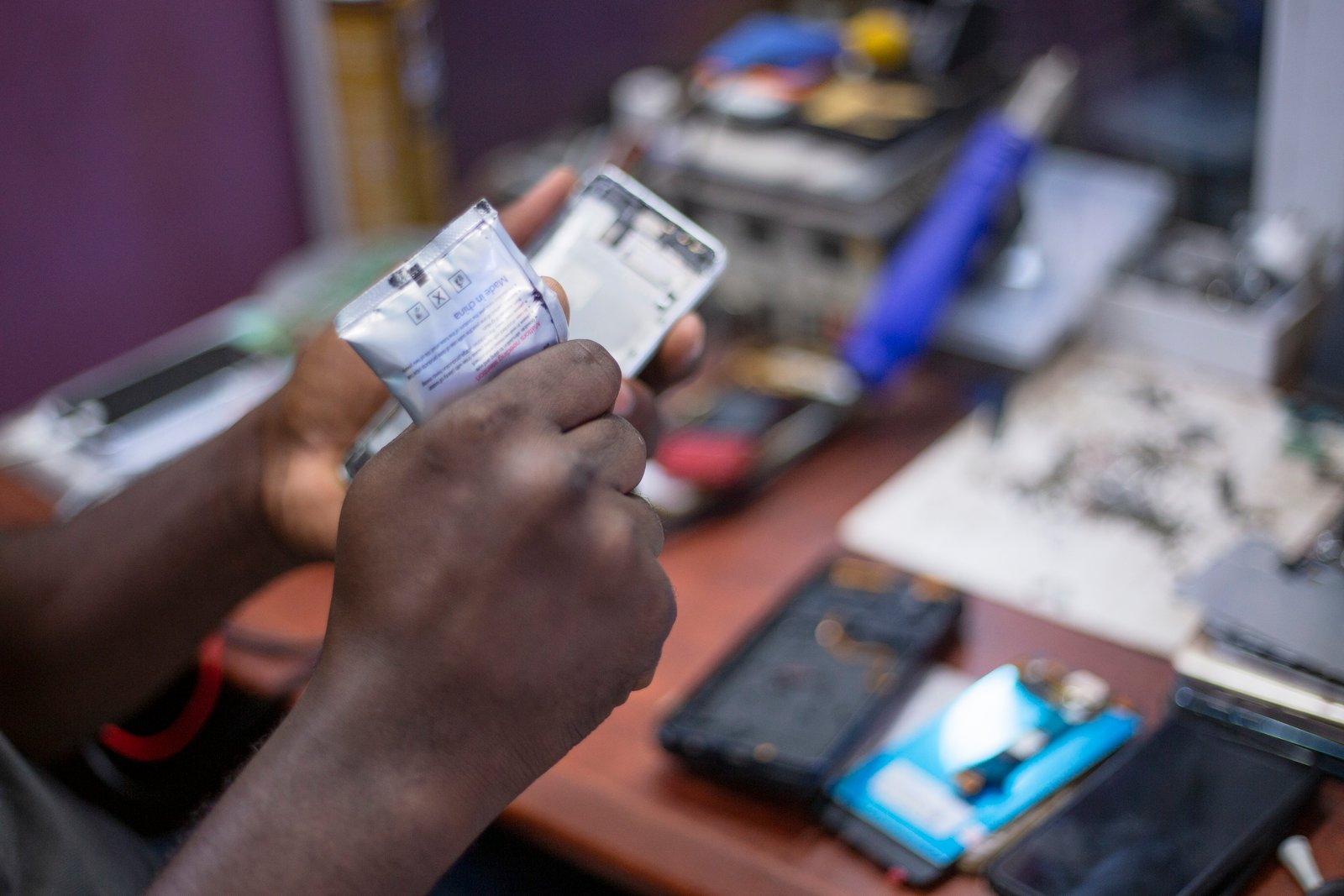
    Device service illustrating the importance of safe charging hardware and cables
  • Qi2 and Magnetic Wireless Charging: Compatibility, Heat, Cases, Stands, and Safe Everyday Use

    Qi2 and Magnetic Wireless Charging: Compatibility, Heat, Cases, Stands, and Safe Everyday Use

    Magnetic wireless charging is becoming easier to use because newer standards improve how a phone aligns with the charging coil. Qi2 builds on the familiar Qi wireless-charging idea while adding a magnetic alignment system for compatible devices and accessories.

    Smartphone aligned on a wireless charging pad for Qi2-style charging

    The benefit is simple: better alignment can make charging more consistent and can support useful magnetic stands, mounts, wallets, and power banks. But a magnetic ring does not guarantee maximum speed, low heat, or compatibility with every phone and case.

    This guide explains what to check before buying Qi2 accessories and how to use magnetic wireless charging without wasting money on the wrong charger.

    What Qi2 is

    Qi2 is a wireless-charging standard from the Wireless Power Consortium. It is designed to improve interoperability and alignment between compatible devices and chargers.

    One important part of the standard is the Magnetic Power Profile, which uses magnets to align the phone with the charging coil.

    Alignment is a practical improvement

    Traditional flat Qi pads can charge slowly or stop if the phone is placed slightly off-center. A magnetic system helps place the coils in the correct position every time.

    Qi2 is not the same as “any magnetic charger”

    Many accessories use magnets without being certified for the Qi2 standard. A magnetic mount may hold the phone but provide only basic Qi charging or no charging at all.

    Look for clear Qi2 certification or compatibility information rather than relying on the presence of a magnetic ring.

    Certification matters

    A certified product has been tested against the relevant standard. That does not guarantee perfect quality, but it is more useful than an unverified “Qi2-style” description.

    Check whether your phone supports Qi2 directly

    Some phones include the required magnetic alignment system. Others may support wireless charging but need a compatible magnetic case to attach securely to a Qi2 charger.

    Read the phone manufacturer’s support documentation for the exact model.

    Do not assume all phones in a series are identical

    Regional models, budget versions, and older generations may have different charging hardware.

    A magnetic case can change compatibility

    Cases with a properly positioned magnetic ring can make a non-magnetic phone work better with magnetic accessories if the phone already supports compatible wireless charging.

    The ring must align with the phone’s charging coil.

    Cheap cases can place the ring incorrectly

    Poor alignment can reduce speed, increase heat, or cause charging to start and stop. Choose a case designed for the exact phone model.

    Case thickness affects charging

    Wireless power must cross the gap between charger and phone. Very thick cases, rugged layers, metal plates, pop grips, and certain wallets can interfere.

    A normal thin compatible case is usually easier.

    Remove metal objects

    Do not place loose metal between the phone and charger. Coins, keys, magnetic plates, and some card holders can heat up or prevent charging.

    Magnetic wallets should usually be removed while charging

    A wallet sitting between the phone and charging surface can increase distance and may contain cards or materials that should not be heated.

    Detach the wallet before charging unless the manufacturer explicitly designs the combination for simultaneous use.

    Charging speed depends on more than the charger label

    The phone, wireless charger, power adapter, cable, temperature, battery state, and software all affect real charging speed.

    A stand advertised with a high wattage cannot force a phone to accept more wireless power than the phone supports.

    Check the full power chain

    A 15-watt wireless charger connected to a weak USB adapter may charge below its rated speed. Use the power adapter and cable specification recommended by the charger maker.

    USB Power Delivery often matters behind the charger

    Many modern wireless chargers use a USB-C input and expect a power adapter that supports USB Power Delivery.

    Check the charger’s input requirements, not only its output claim.

    Heat is normal within limits

    Wireless charging is less efficient than a direct cable because energy crosses an air gap and some becomes heat. A phone and charger can feel warm during use.

    Warm is different from unusually hot. If the phone repeatedly becomes very hot, charging may slow to protect the battery.

    Alignment can reduce unnecessary heat

    Better coil alignment helps efficiency. This is one practical reason magnetic charging can be more consistent than placing a phone loosely on a pad.

    Avoid charging in hot environments

    Do not place the phone on a wireless charger in direct summer sun, inside a hot car, or under thick bedding.

    Heat from the environment plus heat from charging can raise battery temperature more than necessary.

    Do not cover the charger vents

    Some fast wireless stands include fans or ventilation. Keep those openings clear.

    Dust buildup can also reduce cooling over time.

    Charging slows near a full battery

    Phones manage charging speed to control heat and battery stress. Wireless charging may be fastest at lower states of charge and slower near full.

    Do not judge a charger only by how quickly it moves from 90 to 100 percent.

    Optimized charging can pause the final part

    Many phones learn your routine or provide a charge limit. They may hold the battery below full and complete charging later.

    This is a battery-management feature, not necessarily a charger problem.

    Magnetic stands are useful at a desk

    A stand can keep the phone visible for notifications, timers, calls, music, or a standby display while charging.

    Choose an angle that remains stable when tapping the screen.

    Check portrait and landscape rotation

    If you watch video or use a desk clock, a stand that rotates smoothly can be more useful than a fixed mount.

    Bedside charging needs a stable base

    A lightweight stand can move when you pull the phone away. Look for a weighted base, strong adhesive, or a secure design.

    Also consider fan noise if the charger has active cooling.

    Magnetic car mounts solve alignment problems

    A magnetic charging mount can hold a phone and keep the coil aligned while driving.

    Installation matters. A vent mount may be unstable on weak vents. A dashboard mount may be more secure but can expose the phone to sunlight.

    Keep the phone out of direct heat

    Navigation already uses GPS, screen brightness, and mobile data. Adding wireless charging in a hot car can create significant heat. Use air conditioning and reduce screen brightness when practical.

    Magnetic battery packs are convenient

    A magnetic power bank attaches directly to the phone without a cable. It is useful for travel, queues, events, and light top-ups.

    Wireless transfer wastes more energy than a cable, so the usable charge delivered to the phone may be lower than the power bank’s battery capacity suggests.

    Use a cable when efficiency matters

    If you need maximum runtime from a power bank during a long trip, wired charging usually gives you more usable energy.

    Power-bank heat deserves attention

    A battery pack creates its own heat while charging the phone. Keeping two batteries pressed together can feel warm.

    Remove the pack if the combination becomes unusually hot.

    Wireless charging is not automatically better for battery health

    Battery aging depends on temperature, charge level, time, and usage. Wireless charging can be perfectly practical, but extra heat is worth managing.

    Use the method that fits your routine and keeps the device at a reasonable temperature.

    Wired charging is still faster on many phones

    Many smartphones support higher power through USB-C than through wireless charging.

    If you have fifteen minutes before leaving, a cable may add more charge than a wireless pad.

    Use wireless for convenience, wired for speed

    A common routine is wireless charging at a desk or bedside and wired fast charging when time is limited.

    Wireless charging reduces port wear

    If you charge several times a day, using a magnetic charger means fewer physical cable insertions.

    This can be useful on a phone whose charging port also handles data and accessories.

    But you still need the USB port

    Data transfer, wired Android Auto or CarPlay, recovery, external storage, microphones, and some accessories still rely on the physical port.

    Keep it clean and protected from debris.

    Do not use damaged chargers

    Stop using a wireless charger with a damaged cable, cracked housing, exposed wire, burnt smell, or unstable connection.

    Choose products from reputable manufacturers and retailers.

    Check electrical certification

    A safe wireless charger still depends on a safe wall adapter. Use adapters that meet the electrical standards required in your country.

    Unknown ultra-cheap adapters can create more risk than the charging pad itself.

    Do not stack multiple chargers

    Place the phone directly on the intended charging surface. Do not put one wireless battery pack on another wireless charger unless the product explicitly supports pass-through behavior.

    Watch for foreign-object detection

    Certified wireless systems can detect certain metal objects and stop power transfer, but users should still keep keys, coins, and other metal away from the charging surface.

    Magnetic accessories can affect cards

    Modern payment cards are generally resilient to normal magnetic accessories, but hotel keys, older magnetic-stripe cards, and specialized cards can be affected by magnets.

    Follow the card issuer’s guidance and avoid storing vulnerable cards directly against strong magnets.

    Medical-device users should follow official advice

    Magnets and wireless chargers can interfere with some implanted medical devices if placed too close.

    People with pacemakers or other implanted electronics should follow guidance from their medical-device manufacturer and healthcare professional. Phone makers also publish separation recommendations.

    Check phone-camera clearance

    Large camera bumps can stop some flat magnetic accessories from sitting flush.

    Verify compatibility with the exact phone and case, especially for compact battery packs and wallets.

    Choose a charger for the place you use it

    A bedside charger benefits from quiet operation and a dim status light. A desk charger benefits from an adjustable angle. A travel charger should fold flat and use a common USB-C adapter.

    The best design depends on the location, not only maximum wattage.

    Travel chargers can reduce cable clutter

    Multi-device magnetic chargers can charge a phone, watch, and earbuds from one power adapter.

    Check total output. Some travel stations reduce phone charging speed when all devices are connected.

    Verify smartwatch compatibility separately

    Many watches use proprietary magnetic charging even when the phone uses Qi2. One magnetic puck does not automatically charge every watch.

    Read the exact accessory specification.

    Earbuds may use standard Qi charging

    Wireless-charging earbud cases can often charge on a flat Qi or compatible multi-device pad. Magnetic alignment depends on the case design.

    Clean both surfaces

    Dust and grit trapped between phone and charger can scratch the case or back glass.

    Wipe the charging surface occasionally with a dry soft cloth.

    Remove thick attachments

    Phone grips, metal kickstands, ring holders, and decorative plates can interfere with charging even if the case itself is compatible.

    Choose accessories designed to sit outside the magnetic charging area.

    Do not expect magnets to make a weak charger fast

    Magnets solve alignment. They do not replace a good power adapter, efficient electronics, thermal management, or phone support.

    Check firmware updates for advanced chargers

    Some premium charging accessories can receive firmware updates through an app or USB connection. Updates may improve compatibility or charging behavior.

    Use official software only.

    Example: desk setup

    Use a stable Qi2 stand connected to the recommended USB-C PD adapter. Keep the phone in a thin compatible case. Position the stand away from direct sunlight. Use the phone normally and let optimized charging manage the battery.

    Example: travel setup

    Pack a compact magnetic charger, a USB-C PD wall adapter, one high-quality cable, and a power bank. Use wired charging when you need maximum speed or efficiency and magnetic charging when convenience matters.

    Example: car setup

    Mount the charger where it does not block your view. Connect it to an adapter with enough output. Keep the phone cool with cabin airflow. If navigation and wireless charging cause excessive heat, switch to a cable.

    A practical Qi2 buying checklist

    Confirm phone compatibility. Check whether a magnetic case is required. Look for Qi2 certification. Verify charging wattage supported by your phone. Check required adapter power. Choose a case with correct ring alignment. Consider stand stability and cooling. Remove wallets and metal objects during charging. Buy from a reputable brand. Test charging before the return window ends.

    Conclusion

    Qi2 and magnetic wireless charging make wireless power more convenient by improving alignment and creating a common foundation for magnetic accessories. The biggest everyday benefit is consistency: the phone is easier to place correctly on a stand, mount, or power bank.

    Wireless charging still has tradeoffs. It can create more heat and waste more energy than a cable, and real speed depends on the phone, charger, adapter, case, and temperature.

    Use magnetic charging where convenience matters. Use wired charging when you need maximum speed or battery-pack efficiency. Check certification and compatibility, manage heat, and choose accessories for the situation in which you will actually use them.

    Wearable device showing another everyday wireless charging use case
    Modern smartphone used with magnetic charging accessories
    Phone service illustrating why charging heat and hardware condition matter
  • RCS Messaging Explained: Read Receipts, Group Chats, Media Quality, Encryption, and SMS Fallback

    RCS Messaging Explained: Read Receipts, Group Chats, Media Quality, Encryption, and SMS Fallback

    Text messaging used to be simple: SMS for short text and MMS for photos or group messages. Modern phones increasingly use RCS, or Rich Communication Services, which adds features people expect from internet messaging apps while still working through the phone’s default messaging experience.

    Wi-Fi connection used by RCS messaging when mobile data is unavailable
    RCS needs a data connection, so test it on both mobile data and Wi-Fi. If messages work only on one connection, check network settings before resetting the messaging app. When traveling, remember that RCS may continue over Wi-Fi while SMS fallback can use the carrier network and may have different roaming charges. The compose box usually shows whether the next message will use RCS, SMS, or MMS. Check that label when media quality, encryption, or cost matters.

    The confusing part is that RCS behavior depends on the phone, messaging app, carrier, country, and the person you are messaging. A conversation can use RCS one moment and fall back to SMS the next. This guide explains what changes, what does not, and how to troubleshoot common problems.

    What SMS does

    SMS is the traditional mobile text-message system. It sends short text messages through the carrier network.

    SMS is widely supported because it works on almost every mobile phone.

    SMS is simple but limited

    It does not provide modern features such as high-quality media, typing indicators, rich group controls, or consistent read receipts.

    What MMS adds

    MMS extends carrier messaging to photos, videos, audio, and group messages.

    Media quality can be heavily compressed, and file-size limits vary by network.

    MMS groups can be fragile

    Large group chats, mixed devices, and carrier differences can lead to missing messages or separate threads.

    What RCS changes

    RCS uses data connectivity to add richer features to default phone messaging.

    Depending on the implementation, it can support typing indicators, read receipts, better photos and videos, larger files, improved group chats, reactions, and other modern functions.

    RCS still aims to keep phone-number messaging familiar

    You usually start a conversation using the same phone number rather than creating a separate social-media account.

    RCS needs mobile data or Wi-Fi

    Unlike basic SMS, RCS features use an internet connection.

    If data connectivity is unavailable, the messaging app may fall back to SMS or MMS if allowed.

    Fallback keeps basic communication working

    The rich features may disappear, but a text can still be sent through the older carrier system.

    How you can tell which mode is active

    Messaging apps often show a label in the compose box such as RCS message, text message, SMS, or MMS.

    The exact wording varies.

    Check before sending sensitive content

    If encryption or media quality matters, confirm the conversation mode rather than assuming it is RCS.

    Read receipts

    RCS can show when a message was delivered and when it was read if both users and apps support the feature and it is enabled.

    Users can often turn read receipts off.

    No read receipt does not prove the message was ignored

    The feature may be disabled, unsupported, or unavailable because the conversation fell back to SMS.

    Typing indicators

    RCS can show when the other person is typing.

    This is a convenience feature rather than a delivery guarantee.

    Higher-quality photos and videos

    RCS generally allows larger and better-quality media than MMS.

    The exact size and compression depend on the messaging service.

    Original quality is not always guaranteed

    For important full-resolution files, use cloud sharing or another file-transfer method.

    Group chat improvements

    RCS groups can provide better membership controls, names, reactions, and message handling than legacy MMS groups.

    Mixed RCS and non-RCS participants can change behavior.

    Group fallback may reduce features

    A group can lose rich features if one participant cannot use the same RCS implementation.

    Android support

    RCS has been widely adopted in Android messaging ecosystems.

    Google Messages is a major implementation, while carriers and device makers may also provide messaging apps.

    iPhone support

    Apple added RCS support to improve messaging interoperability with supported non-iMessage users.

    Apple Support documents current Messages behavior and carrier requirements.

    iMessage remains separate

    Messages between Apple users can continue using iMessage, while RCS can improve communication with compatible non-Apple devices.

    Carrier support matters

    RCS availability can depend on the mobile carrier and country.

    A phone may support RCS technically while the service is not enabled on that network.

    Check the carrier’s current support page

    Messaging availability changes over time.

    Phone-number verification

    RCS services often verify the phone number during setup.

    This can fail after changing SIM cards, switching carriers, moving between phones, or porting a number.

    Verification can take time

    If activation is stuck, confirm mobile data, correct number settings, and carrier support.

    Dual-SIM phones

    Dual-SIM devices can make RCS setup more complicated because messaging and data may use different lines.

    Check which SIM is selected for messages and mobile data.

    eSIM changes

    Moving an eSIM to another device can temporarily disrupt number verification.

    Give the messaging service time to re-register and confirm the new device.

    Encryption in RCS

    Some RCS implementations support end-to-end encryption for eligible conversations.

    Encryption availability depends on the app, service, participants, and conversation type.

    Do not assume every RCS chat is encrypted

    Check the security indicator in the messaging app.

    What end-to-end encryption means

    End-to-end encryption is designed so that message content can be read only by the intended endpoints, rather than by intermediate service providers.

    It does not hide every piece of metadata such as account identifiers, timing, or network information.

    SMS fallback and security

    If an encrypted RCS conversation falls back to SMS, the security model changes.

    SMS is a carrier-based legacy technology and does not provide the same end-to-end encryption.

    Watch for mode changes

    If the messaging app warns that a message will be sent as SMS, decide whether that is acceptable for the content.

    Spam and business messaging

    RCS can support verified business profiles, rich cards, buttons, and branded messaging.

    This can improve legitimate customer communication but also creates new opportunities for unwanted messages.

    Do not trust branding alone

    Verify unusual payment or login requests through the company’s official app or website.

    Reactions

    RCS can support message reactions in compatible conversations.

    When a conversation falls back to older protocols, reactions may appear differently.

    Replying to specific messages

    Modern RCS implementations can support threaded or quoted replies.

    This makes busy group chats easier to follow.

    File sharing

    RCS can allow larger attachments than MMS, but it is not a replacement for cloud storage or professional file-transfer tools.

    Large documents may still be better shared through a secure link.

    Location sharing

    Some messaging apps can share a map location inside a conversation.

    Review whether the location is live or static and how long it remains available.

    Backup and restore

    Message backup behavior depends on the phone platform and cloud settings.

    Do not assume every RCS attachment and chat feature restores perfectly after switching devices.

    Check backup before replacing a phone

    Confirm messages and media are included in your device backup or migration process.

    Changing messaging apps

    On Android, switching the default messaging app can affect RCS availability.

    Complete any deactivation steps before moving between services if the provider recommends them.

    Changing phone numbers

    If you stop using a number without disabling its messaging registration, old conversations may behave unpredictably.

    Follow platform guidance when changing numbers.

    Travel and roaming

    RCS uses data, so roaming data rules can affect it.

    On Wi-Fi, RCS may continue working even when cellular data is limited, depending on service configuration.

    SMS roaming charges can differ

    If the app falls back to SMS while traveling, carrier fees may apply.

    Airplane mode with Wi-Fi

    RCS may work over Wi-Fi in some setups even when cellular radio is unavailable.

    SMS generally depends on carrier connectivity unless the carrier provides messaging over Wi-Fi.

    Wi-Fi calling and RCS are separate features

    Wi-Fi calling handles carrier voice and sometimes SMS through Wi-Fi. RCS is a richer messaging service.

    One can work while the other is unavailable.

    Why messages sometimes fail

    Common causes include lost data connection, incomplete RCS registration, carrier outage, wrong SIM selection, outdated messaging app, or the recipient changing devices.

    Retry carefully

    Repeatedly sending the same message through different modes can create duplicates.

    Troubleshooting activation

    Update the messaging app. Restart the phone. Confirm the correct number. Check data connectivity. Verify the default messaging app. Review carrier support. Turn RCS off and back on only if official troubleshooting recommends it.

    Troubleshooting one contact

    If RCS works with everyone except one person, the problem may be on the other device or with the previous registration of that number.

    Start a new conversation thread after verifying the contact number.

    Troubleshooting groups

    Check whether all participants support RCS. Remove old duplicate contacts. Create a new group if an old MMS thread is stuck.

    Media-quality troubleshooting

    Check whether the message is being sent as MMS instead of RCS. Review data-saver settings. Try sharing a cloud link for very large media.

    Privacy settings

    Review read receipts, typing indicators, previews, blocked contacts, and spam protection.

    These controls can reduce unwanted visibility.

    Lock-screen privacy

    A secure conversation can still expose text on the lock screen.

    Hide sensitive notification previews if needed.

    RCS and authentication codes

    Some businesses may deliver account messages through rich messaging, but SMS remains common for one-time codes.

    Phishing-resistant methods such as passkeys or security keys are stronger when supported.

    RCS does not replace internet messengers completely

    Apps such as Signal, WhatsApp, Telegram, and others provide their own account systems and feature sets.

    RCS is valuable because it improves the default phone-number messaging layer.

    When RCS is most useful

    It is especially useful when you want modern messaging features without requiring both people to install the same third-party app.

    When SMS still matters

    SMS remains a universal fallback for basic text when data services or RCS interoperability are unavailable.

    Practical checklist

    Enable RCS if your carrier and messaging app support it. Keep apps updated. Confirm number verification after changing SIMs. Check the compose label before sensitive messages. Review encryption indicators. Protect lock-screen previews. Understand roaming fallback. Back up messages before switching phones.

    Conclusion

    RCS modernizes ordinary phone-number messaging with better media, read receipts, typing indicators, richer groups, and other features. It reduces the gap between basic texting and internet messaging apps.

    Its biggest complexity is that support is not identical everywhere. Phones, carriers, apps, countries, and encryption capabilities can differ.

    Use the status indicators in your messaging app, keep your number registered correctly, and remember that SMS fallback changes both features and security.

    Messaging security controls used to review RCS encryption and privacy settings
    Do not assume every RCS conversation has the same security. Encryption depends on the messaging implementation, the people in the conversation, and the active mode. If the app shows that a message will fall back to SMS, the security model changes. Review read receipts, typing indicators, blocked contacts, spam protection, and lock-screen previews as separate privacy controls. A secure transport can still expose sensitive text on an unlocked notification screen, so protect both the connection and the device interface.
    Phone migration checklist used before moving RCS messages to a new device
    Before switching phones, confirm that important messages are backed up and that your number can be re-verified. Keep the old phone until calls, SMS, RCS, mobile data, and voicemail work on the new device. If activation becomes stuck after a SIM or eSIM move, check the correct number, default messaging app, mobile data line, and carrier support before repeatedly deleting profiles. Repeated resets can create extra problems when an activation code or registration state is still being processed.
    Computer used with linked-device messaging and RCS troubleshooting
    If you use web or linked-device messaging, reconnect those sessions only after RCS works correctly on the phone. Start with one known compatible contact and send a simple text. Then test a photo, read receipt, and group chat. If one contact fails while others work, the issue may be the other device or an old registration for that number. Testing in this order keeps troubleshooting focused and reduces duplicate messages caused by sending the same content through several fallback modes. Also check whether group conversations were created as old MMS threads. A fresh RCS group can behave more reliably after every participant has compatible service. When media is important, send one test photo and compare quality before sharing a large set. This confirms that the conversation is still using RCS instead of silently falling back to MMS. If activation remains stuck for a long period, check the carrier’s current RCS support and the messaging provider’s official troubleshooting page before clearing app data. Save important message backups first. Carrier provisioning, number ports, dual-SIM selection, and temporary outages can all create symptoms that look like an app problem, so verify the network side before performing destructive resets.
  • Satellite Connectivity on Smartphones: Emergency SOS, Messaging, Coverage, and Real Limits

    Satellite Connectivity on Smartphones: Emergency SOS, Messaging, Coverage, and Real Limits

    Smartphones are beginning to connect directly to satellites for tasks that used to require a dedicated satellite phone or emergency beacon. The feature is useful, but the name can create unrealistic expectations. A phone with satellite connectivity does not automatically become a normal high-speed satellite phone that works everywhere with every app.

    Smartphone used in a remote area where satellite connectivity can provide backup communication

    Most current phone-based satellite services focus on emergency communication, limited messaging, location sharing, or narrow data functions when cellular and Wi-Fi networks are unavailable. This guide explains how the technology works, when it can help, what conditions it needs, and what travelers should do before relying on it.

    Why smartphone satellite features exist

    Cellular networks depend on nearby towers. Remote roads, mountains, deserts, oceans, and disaster areas may have no usable signal. Satellite connectivity gives a phone another path for limited communication when terrestrial networks are missing.

    The strongest use case is not replacing normal mobile service. It is giving people a way to request help or send a basic message when no conventional connection exists.

    Think of it as a backup layer

    For most users, satellite service should sit behind cellular and Wi-Fi rather than replacing them. When regular networks are available, they are faster and more practical.

    Emergency SOS is different from normal messaging

    Some phone systems allow a user to contact emergency services through a satellite workflow. The phone may ask a series of questions, compress the answers, and transmit a small data packet through a satellite connection.

    This is different from opening a normal messaging app and having a full conversation.

    Follow the phone’s guided prompts

    Emergency satellite systems often guide you to point the phone toward a part of the sky and keep the device oriented while a message is sent. Read your manufacturer’s instructions before a trip.

    Satellite messaging is expanding

    Some newer devices and networks support non-emergency text messaging over satellite in selected countries and plans. Availability depends on the phone model, carrier, satellite partner, software version, and region.

    Do not assume that because one phone in a product family supports satellite messaging, every version sold worldwide does.

    Check the exact combination

    Verify the exact phone model, carrier, country, and subscription using official documentation from your manufacturer and mobile network.

    Why the connection can feel slow

    A satellite is much farther away than a cell tower. Phones also have small antennas and limited transmit power. The system is designed to send compact information rather than large streams of data.

    A message may take longer to send than a normal SMS, especially when satellite visibility is poor.

    Patience is part of the workflow

    Do not repeatedly cancel and restart a transmission because it is not instant. Follow the device guidance and allow the connection to complete.

    Clear sky visibility matters

    Satellite phone features work best when the device has a broad, unobstructed view of the sky. Buildings, dense trees, cliffs, deep valleys, tunnels, and indoor spaces can block or weaken the signal.

    Move to an open area when it is safe to do so.

    A window may not be enough

    Satellite communication often needs more sky than ordinary GPS reception. If the phone cannot connect indoors, step outside or move away from large obstructions if conditions allow.

    Your body can affect the signal

    The phone may ask you to hold it in a particular orientation. Do not cover the antenna area unnecessarily or place the device deep inside a bag while trying to transmit.

    Use the onscreen direction indicator if the system provides one.

    Weather can affect real-world performance

    Many satellite systems are designed to work in a range of weather, but heavy precipitation, dense obstruction, and environmental conditions can affect link quality.

    Do not treat satellite service as a guaranteed connection under every circumstance.

    Coverage is not the same as the whole planet

    A satellite network may have broad technical coverage while the consumer service is enabled only in certain countries. Emergency integration can also depend on local authorities and relay centers.

    Before international travel, check supported regions.

    Regulations can differ

    Some countries restrict satellite communication equipment or services. Review destination rules if you plan to depend on satellite features in remote travel.

    Not every satellite feature works while roaming

    A phone bought in one country may support the hardware but lose certain satellite services when used elsewhere. Carrier-based services may also have roaming limitations.

    Read the service terms before leaving home.

    Satellite service may require activation

    Some features work automatically when needed. Others require account setup, a carrier plan, an operating-system update, or accepted terms.

    Do the setup before you enter an area without coverage.

    Run the demo if your phone offers one

    Manufacturers may include a satellite connection demonstration that lets you practice without contacting emergency services. Use it while you still have normal connectivity.

    Keep emergency information updated

    If your phone can share medical ID, emergency contacts, or location details during an SOS, review that information before travel.

    Outdated emergency contacts reduce the value of the system.

    Location sharing can be useful

    Some systems allow a person to share their location through satellite when normal networks are unavailable. This can help family or trip partners understand your position.

    Do not confuse location sharing with active emergency rescue. A shared location only helps if the intended person receives and acts on it.

    Satellite features do not replace a trip plan

    If you are hiking, boating, driving through remote regions, or traveling off-grid, tell someone your route and expected return time.

    Technology can fail, batteries can die, and devices can be lost.

    Use multiple layers of safety

    A route plan, offline maps, weather awareness, appropriate supplies, and a communication device work together. Do not let one phone feature create false confidence.

    Dedicated emergency beacons still have a role

    For serious backcountry travel, a dedicated personal locator beacon or satellite messenger may provide stronger antennas, longer battery life, rugged design, two-way tracking, or emergency services built specifically for remote use.

    A smartphone satellite feature is convenient because you already carry the phone. Dedicated hardware may be better when communication is mission-critical.

    Match the device to the risk

    A short drive through a rural area is different from a multi-day expedition with no cellular coverage.

    Battery life matters more off-grid

    Searching for weak cellular signals and using satellite communication can consume battery. Cold weather can also reduce usable battery capacity.

    Start remote travel with a full charge and carry an appropriate power bank.

    Use Airplane Mode carefully

    Airplane Mode can reduce unnecessary radio use, but exact satellite behavior varies by device. Follow manufacturer instructions instead of assuming every radio mode works the same way.

    Keep the phone warm in cold environments

    Very low temperatures can reduce battery performance. Keep the phone in an inside pocket when not in use, but move it to an open position when attempting satellite communication.

    Download offline maps

    Satellite messaging does not mean full map tiles will stream instantly. Download maps, trail data, tickets, and important documents before leaving coverage.

    Apps such as Google Maps and other navigation tools provide offline features in many regions.

    Carry a backup navigation method

    For serious outdoor travel, a paper map, dedicated GPS unit, or known route can still be useful if the phone is damaged.

    Do not expect normal voice calls unless explicitly supported

    Many direct-to-phone satellite services begin with text or narrow data because voice requires more continuous bandwidth and reliable connection.

    Read the exact service description. “Satellite connectivity” can describe very different capabilities.

    Do not expect normal internet browsing

    A system built for emergency packets or text messages may not support browsing, video, app downloads, or social media.

    Even when satellite data expands, performance may remain different from terrestrial 4G or 5G.

    Carrier satellite services are different from manufacturer services

    Some phone makers build satellite features into their devices and account systems. Mobile carriers may also partner with satellite providers to extend messaging or coverage.

    The user experience, pricing, supported phones, and regions can differ.

    Use official sources

    Check your phone manufacturer and carrier directly. Apple, Android device makers, and mobile networks publish current compatibility details.

    Cost can change over time

    A feature may be included free for a limited period, bundled with a premium plan, or charged separately later.

    Do not assume a service remains free because it was included at launch.

    Emergency use may be treated differently from casual use

    In some systems, emergency messaging can remain available under conditions where general satellite messaging requires a subscription. The exact policy varies.

    Review pricing and emergency terms before relying on them.

    Privacy deserves attention

    Emergency services may need your location, account information, and the details you provide about the incident. That sharing can be necessary to coordinate help.

    For normal satellite messaging, review how the provider handles message data, location, retention, and account information.

    Use the feature for its intended purpose

    Do not send unnecessary sensitive information in a satellite message when a short description is enough.

    Know what happens after an SOS is sent

    Sending the first message may be only the beginning. The system may ask follow-up questions, tell you to remain available, or connect you to an emergency relay center.

    Stay with the device and conserve battery unless safety requires you to move.

    Give clear, concise information

    In an emergency, include the type of incident, number of people affected, immediate hazards, your condition, and whether you can move safely.

    Short factual information is easier to transmit and act on than a long story.

    Do not trigger emergency features for testing

    Use an official demo mode if one is provided. Do not contact emergency services simply to see whether the satellite connection works.

    False emergency calls can waste resources and may have legal consequences.

    Check software updates before travel

    Satellite features may depend on current operating-system components, carrier settings, and regional support files.

    Update the phone through official channels several days before a major trip so you have time to identify any problems.

    Test your power equipment

    A power bank that has been sitting in a drawer for a year may no longer hold the expected charge. Recharge it and test your cable.

    Bring a cable that fits both the phone and the battery pack.

    Use a protective case that does not interfere

    Most normal cases should not block satellite service, but unusually thick metal accessories or attachments can affect radio performance.

    If the phone repeatedly fails to connect, remove questionable accessories and follow device guidance.

    Prepare for a roadside scenario

    Imagine your car breaks down on a remote road without cellular coverage. First move to a safe location. Check whether normal emergency calling works. If not, use the phone’s satellite workflow if supported.

    Share your location and the nature of the problem. Preserve battery while waiting.

    Roadside assistance is not always emergency service

    Some systems integrate roadside help separately from emergency SOS. Check whether your region and plan support it.

    Prepare for a hiking scenario

    Before leaving, download the route, tell someone your expected return time, charge the phone, and test the satellite demo.

    If someone is injured and normal networks are unavailable, move to open sky when safe, start the emergency workflow, answer questions accurately, and follow instructions.

    Prepare for a disaster scenario

    A storm, earthquake, or fire can damage cellular infrastructure even in a city. Satellite communication can become useful outside traditional wilderness situations.

    Keep the phone charged and know the emergency feature before a crisis.

    What to check before buying a phone for satellite features

    Verify the exact model, supported countries, carrier requirements, emergency functions, normal messaging functions, subscription price, trial period, operating-system requirements, and whether the service works while traveling internationally.

    Do not buy based only on a “satellite ready” label.

    A practical satellite-phone checklist

    Confirm compatibility. Activate required services. Update software. Run the official demo. Save emergency contacts. Download offline maps. Charge the phone. Pack a tested power bank. Check destination support. Tell someone your route. Understand the difference between emergency SOS and normal messaging. Keep expectations realistic about voice and internet access.

    Conclusion

    Smartphone satellite connectivity is a meaningful safety improvement because it can provide a communication path when cell towers and Wi-Fi are unavailable. Its strongest value is as a backup, especially for emergencies and basic messaging.

    The technology still has limits. It may need open sky, supported regions, specific hardware, current software, and patience while messages transmit. It does not automatically provide normal calls or broadband internet.

    Learn the feature before you need it. Check coverage and cost, practice with a demo, carry power, download offline information, and keep a real travel plan. Satellite connectivity can be a powerful extra layer of safety, but it works best when it is part of good preparation rather than the only preparation.

    Wi-Fi router showing the normal terrestrial connection that satellite service can back up
    Charging a smartphone before remote travel and emergency satellite use
    Travel planning notes used to prepare emergency contacts and offline information
  • Secure File Sharing Guide: Permissions, Expiring Links, Passwords, and Access Control Explained

    Secure File Sharing Guide: Permissions, Expiring Links, Passwords, and Access Control Explained

    Sharing a file is easy. Sharing it with the right person, for the right amount of time, with the right permissions is where problems begin. A document meant for one client can become accessible to anyone with the link. A former contractor can keep access to a project folder. A confidential PDF can sit in a shared drive long after the project ends.

    User planning file sharing permissions and access levels
    Practical permission check: before you send a file, decide who needs to read it, who needs to edit it, and how long access should last. Avoid broad team or public access when only one client or colleague needs the document. Review the sharing panel after sending so you can confirm that the final permission matches your original intent.

    This guide explains how to share files safely using practical permission choices, expiring links, passwords, download settings, folder structure, and access reviews. The goal is not to make sharing difficult. It is to make access intentional.

    Start with the person, not the platform

    Before creating a link, identify who actually needs the file. Is it one person, a small team, an entire company, or the public?

    The permission should match the audience. A private contract should not use the same sharing method as a public brochure.

    Ask what the recipient needs to do

    They may only need to view the file. They may need to comment. They may need to edit. They may need to download a copy. Do not give edit permission when view access is enough.

    Understand the main sharing modes

    Most cloud storage tools offer several access types. Common options include private, specific people, organization only, anyone with the link, and public.

    Services such as Google Drive, Microsoft OneDrive, and Dropbox use different names, but the principles are similar.

    Specific people is usually the safest external option

    When the platform supports it, invite the recipient’s account directly. This gives you a clear access list and often makes revocation easier.

    “Anyone with the link” is not private

    A link that works for anyone can be forwarded, copied into a chat, stored in browser history, posted accidentally, or indexed if placed on a public page.

    It may still be difficult to guess, but secrecy of the URL should not be treated as strong access control.

    Use link sharing for low-risk content

    Public brochures, event materials, non-sensitive downloads, and simple collaboration files are better candidates than contracts, payroll records, identity documents, or customer data.

    Use view-only when editing is unnecessary

    Edit access lets a recipient change content and may allow deletion, renaming, or resharing depending on the platform.

    For approvals, audits, invoices, final documents, and reference material, view-only access is often enough.

    Comment permission can be a useful middle ground

    Reviewers can give feedback without changing the source directly. This can reduce accidental edits.

    Use expiration dates for temporary access

    Many files are needed only during a project, application, review, or negotiation. If the service supports expiration, set one.

    An expiring link reduces the chance that a forgotten share remains usable for months or years.

    Match expiration to the real workflow

    If a proposal is valid for 14 days, access may not need to remain open for six months.

    Use passwords when a link must travel broadly

    Some sharing services allow a password on the link. This adds another layer if the URL is forwarded.

    Use a strong, unique password. Do not use the recipient’s name, company name, or an obvious date.

    Send the password separately

    If the link and password are in the same email, anyone who gains access to that message gets both. Use a separate approved channel when practical.

    Understand download controls

    Some platforms let you disable downloading for view-only recipients. This can reduce casual copying, but it is not perfect protection.

    A recipient may still take screenshots, photograph the screen, or copy information manually.

    Download blocking is a friction tool

    Use it to reduce accidental redistribution, not as a guarantee that content cannot be copied.

    Think before enabling resharing

    Editors may be able to invite other people. If the file is sensitive, restrict whether recipients can change permissions or add new users.

    This keeps the owner responsible for the access list.

    Use folders carefully

    Sharing one folder can expose every current and future file inside it. This is convenient for a project team but risky if the folder mixes unrelated material.

    Create purpose-specific folders

    Instead of sharing a broad “Clients” folder, create a separate folder for each client or project. Keep internal files outside the shared area.

    Understand inherited permissions

    A file inside a shared folder may inherit the folder’s access rules. Moving a file into another folder can change who can see it.

    Before placing a confidential file into a shared location, check inherited access.

    Separate internal and external folders

    A strong project structure often has one internal folder and one external client folder.

    The internal folder can contain notes, drafts, budgets, and discussion documents. The external folder contains only approved material.

    This reduces accidental oversharing

    You no longer need to inspect every file before giving a client access because the external folder is designed for sharing.

    Review access after team changes

    When an employee, contractor, vendor, or agency leaves a project, remove access promptly.

    Do not wait for an annual review when the person no longer needs the data.

    Offboarding should include cloud files

    Account deactivation, shared-drive access, external links, team chat, project tools, and password vaults should be part of one exit checklist.

    Use group permissions for teams

    In a company, it is often easier to share with a managed group rather than adding people one by one.

    When someone joins or leaves the group, access updates automatically.

    Keep group membership accurate

    A group is only useful if outdated members are removed.

    Be careful with personal accounts

    Business files stored in an employee’s personal cloud account can create ownership and access problems.

    Use company-managed accounts and shared drives for important business data where possible.

    Do not share from temporary email accounts

    If the owner account is lost, suspended, or abandoned, managing access later may become difficult.

    Important files should have a stable organization-owned owner.

    Use meaningful filenames

    A file called final.pdf tells the recipient almost nothing. Clear names reduce the chance of sending the wrong document.

    Use project, document type, version, and date where appropriate.

    Do not put secrets in filenames

    File names may appear in email subjects, activity logs, browser history, and notifications. Avoid putting passwords, full identity numbers, or confidential descriptions in the name.

    Share the minimum necessary file

    If someone needs page 4 of a report, consider extracting that page instead of sending the whole report.

    If a partner needs one spreadsheet tab, export the relevant data rather than sharing an entire workbook with hidden sheets.

    Data minimization makes access easier to control

    The safest file is often the file that contains only what the recipient needs.

    Review hidden content before sharing

    Office documents can contain comments, tracked changes, hidden sheets, hidden columns, notes, previous authors, and metadata.

    PDFs can contain annotations and embedded attachments. Images may contain location metadata.

    Export a clean final copy

    For external distribution, create a final version that removes internal review material.

    Use cloud links instead of large email attachments

    Links can be revoked. Email attachments usually cannot.

    When the document is sensitive or likely to change, a controlled link gives the owner more options.

    Links also reduce version confusion

    Everyone can access the current file instead of keeping several outdated copies in different inboxes.

    Know when an attachment is still appropriate

    Small public files, finalized receipts, simple forms, and information that does not need revocation may be fine as attachments.

    Choose based on risk and workflow, not one universal rule.

    Use encryption for highly sensitive transfers

    If a file must be downloaded and transferred outside normal cloud systems, consider encrypted archives or secure file-transfer tools approved by your organization.

    Protect the decryption password through a separate channel.

    Do not rely on weak ZIP passwords

    Use modern encryption and strong passwords where confidentiality matters.

    Check recipient identity

    Before sharing sensitive information, confirm that you have the correct email address or account.

    Autofill can insert a similarly named contact. A one-character mistake can send the link to the wrong person.

    Slow down for external sharing

    For high-risk files, read the full recipient address before sending.

    Use domain restrictions when available

    Some business platforms let you restrict sharing to approved domains or block external sharing by default.

    This can reduce accidental exposure while still allowing controlled exceptions.

    Review notification emails

    Sharing a file may send an automatic email with the file name, comments, or preview text.

    If the filename itself is sensitive, this can expose information even before the recipient opens the file.

    Check access from a logged-out browser

    A quick way to test a public-style link is to open it in a private browser window where you are not signed in.

    If the file opens immediately, anyone with the link may have similar access.

    Test before distributing widely

    This catches incorrect permission settings early.

    Use activity logs for important folders

    Business cloud services may show who viewed, edited, downloaded, or shared a file.

    Logs can help investigate unexpected access or confirm project activity.

    Set ownership clearly

    Every important shared folder should have an owner responsible for permissions and cleanup.

    If nobody owns access, old shares tend to remain forever.

    Create a sharing policy for teams

    A short policy can define which platforms are approved, when external sharing is allowed, which data requires encryption, and how long links should remain active.

    Keep rules practical

    Employees will bypass a process that takes twenty steps for every harmless file. Use stronger controls for higher-risk data.

    Example: sharing a client proposal

    Export a clean PDF. Store it in the client’s external folder. Share it with the client’s named email account. Give view-only access. Set an expiration date if supported. Verify the link. Remove access when the proposal is no longer active.

    Example: sharing raw project files with a contractor

    Create a dedicated contractor folder. Include only the files required for the assignment. Give edit permission only where necessary. Keep internal notes and credentials elsewhere. Remove access on the final day.

    Example: sharing family documents

    For travel documents, school forms, or important household records, use a trusted family folder with named users. Avoid public links. Keep highly sensitive identity documents in a more restricted location.

    Common sharing mistakes

    Using anyone-with-link for confidential files, granting edit permission by default, sharing broad folders, forgetting old contractors, using personal accounts for business data, emailing passwords with encrypted files, and assuming download blocking prevents copying are common mistakes.

    Monthly access review checklist

    Check external users. Remove old links. Review shared folders. Confirm group membership. Look for public files. Check high-risk documents. Remove unused collaboration accounts. Verify that business files are owned by the organization.

    Conclusion

    Secure file sharing is mostly about deliberate permissions. The technology is already available in common cloud tools, but the safest setting is rarely the fastest default.

    Share with specific people when possible. Use view-only access unless editing is necessary. Set expiration dates. Keep external folders separate from internal work. Review access after projects and staff changes.

    The goal is not to stop collaboration. It is to make sure a file remains available only to the people who still need it.

    Laptop used to review cloud file sharing settings and link controls
    For external sharing, test the link in a private browser window before relying on it. This simple check shows whether the file opens without authentication, whether download is allowed, and whether an unexpected folder is exposed. If the recipient should sign in, a logged-out test should stop access instead of displaying the document immediately.
    Network connection used to transfer shared files securely
    Network security still matters after permissions are configured. Use current browsers, HTTPS services, trusted networks, and strong account authentication. When a file contains customer, financial, legal, or identity information, prefer a controlled cloud workspace over sending permanent attachments that cannot be revoked after they reach an inbox or another device.
    Mobile device used to open and manage shared files
    Mobile access deserves its own review. Check whether the sharing service shows sensitive previews on the lock screen, stores offline copies automatically, or keeps files available after an account is removed. For temporary projects, remove old collaborators and expired devices during the same weekly or monthly access review instead of leaving permissions open indefinitely.
  • Foldable Phones in 2026: Who Should Buy One and What to Check Before Spending More

    Foldable Phones in 2026: Who Should Buy One and What to Check Before Spending More

    Foldable phones are no longer experimental curiosities. They have become a real premium-phone category with book-style models that open into small tablets and compact flip phones that fold into a smaller pocket shape. The format can be useful, but it also introduces tradeoffs that normal slab phones do not have.

    Smartphone camera used to compare foldable phone camera quality

    If you are considering a foldable, the important question is not whether folding screens look impressive. It is whether the extra screen flexibility solves a real problem for you and whether you are comfortable with the durability, repair, battery, and cost differences that come with it.

    This guide explains how to evaluate a foldable phone in 2026 without getting distracted by launch-day hype.

    Start by choosing the foldable style

    Most foldables fall into two broad groups. Book-style phones open sideways into a larger inner screen. Flip-style phones fold vertically and become more compact when closed.

    Book-style models are aimed at people who want more screen area for reading, multitasking, video, documents, maps, or creative work. Flip-style models focus more on portability and quick access from a cover screen.

    Do not compare them as if they solve the same problem

    A book-style foldable may replace some tablet use. A flip phone usually does not. A flip model may fit in a small pocket or bag more easily, while a book-style device may be thicker and heavier than a normal phone.

    Ask what you will do on the inner screen

    The larger display is the main reason to pay for a book-style foldable. List the tasks you would genuinely do there.

    Useful examples include reading long documents, running two apps side by side, editing spreadsheets, viewing desktop-like websites, reviewing photos, watching video while messaging, or keeping maps and travel details visible together.

    If you cannot name three uses, reconsider the premium

    A normal flagship phone may give you better cameras, battery, durability, or lower cost if you rarely use the large inner display.

    Try the device in person if possible

    Foldables feel different from normal phones. Thickness, weight distribution, hinge resistance, outer-screen width, and one-handed comfort are difficult to understand from specifications.

    Open and close the phone several times. Type on the cover screen. Hold it for a few minutes. Check whether the inner display feels natural for reading.

    Pay attention to the outer screen

    You may use the cover display more often than the inner screen for short tasks. A narrow outer display can make typing uncomfortable. A wider one may feel more like a normal phone but increase the overall size.

    Understand the screen crease

    Most folding displays still have a visible or touchable crease where the screen bends. How noticeable it is depends on the model, lighting, viewing angle, and content.

    A crease may disappear from your attention during normal use, but it can be obvious on bright solid backgrounds or when your finger crosses the fold.

    Do not judge from promotional photos

    Try a display unit under real lighting. Product renders often hide reflections and crease visibility.

    Folding screens need different care

    The inner display is flexible and usually covered by a factory-installed protective layer. It can be softer than the glass on a normal phone.

    Do not remove or replace the inner protector unless the manufacturer specifically says it is user-serviceable. Avoid pressing sharp objects into the display and keep debris away from the hinge area.

    Read the care instructions before purchase

    Manufacturers such as Samsung, Google, and other foldable makers publish device-specific care and warranty information. The exact instructions vary.

    Check the hinge design

    The hinge is one of the most important mechanical parts. It affects how flat the phone closes, whether it can remain open at intermediate angles, how dust is handled, and how thick the device feels.

    Look for a smooth action without unusual grinding, uneven resistance, or side-to-side movement.

    Intermediate-angle use can be practical

    Some foldables can sit half open on a table for video calls, photos, or watching video without a stand. If that matters to you, test whether the software supports useful controls in that position.

    Check water and dust resistance separately

    A foldable may have a water-resistance rating without having the same dust protection as a traditional flagship phone. Hinges and moving parts make dust management harder.

    Read the exact IP rating and the manufacturer explanation. Do not assume “water resistant” means beach sand, construction dust, or fine debris is harmless.

    Think about your environment

    If you work around dust, sand, metal filings, or outdoor debris, a conventional rugged phone may be a safer choice.

    Repair cost should affect your decision

    A foldable’s inner screen and hinge system can be expensive to repair outside warranty. Check official repair pricing or protection-plan terms before buying.
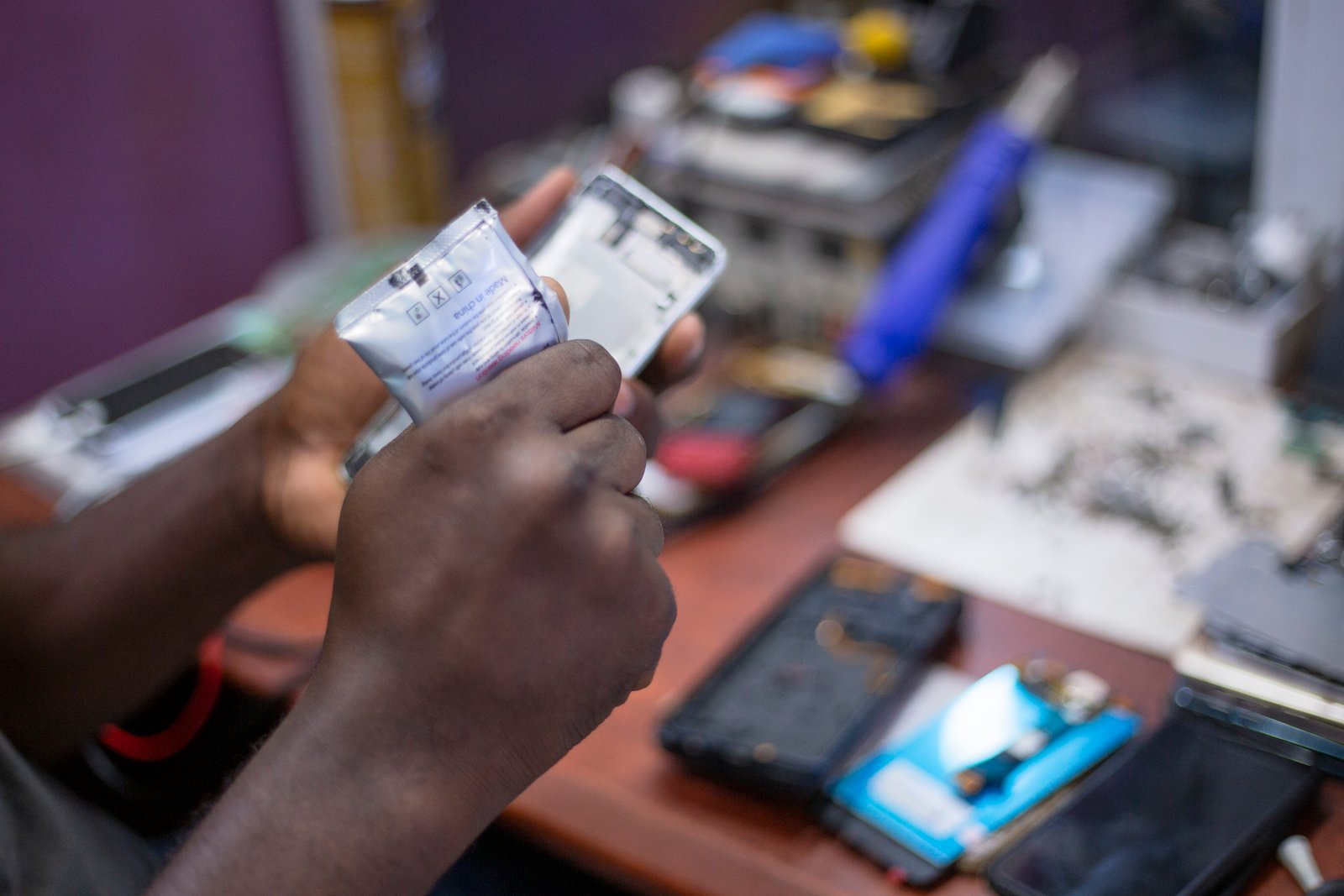
    Also check whether repair service is available where you live or travel.

    Insurance may be more valuable for foldables

    Device protection can make sense when the replacement cost of the folding display is high. Compare the plan price, deductible, accidental-damage limits, replacement conditions, and exclusions.

    Do not assume the warranty covers every display issue

    Standard warranty usually covers manufacturing defects, not every type of accidental damage. Damage caused by impact, pressure, liquid outside rated conditions, or improper protector removal may be excluded.

    Read the actual warranty instead of relying on a retailer’s summary.

    Battery capacity can be a compromise

    Foldables need space for hinges and multiple display sections, which can limit battery design. The large inner display can also use more power when active.

    Compare real battery tests, not only capacity numbers.

    Test your likely use pattern

    If you use the inner display for several hours of navigation, multitasking, or video, battery behavior may differ from a reviewer who mostly uses the cover screen.

    Charging speed matters differently on a foldable

    If battery life is only average, fast wired charging can be useful. Check which charging standard the phone supports and whether the required adapter is included.

    Wireless charging adds convenience but can produce more heat, especially during heavy use.

    Cameras may not match a normal flagship at the same price

    A foldable can cost as much as a top camera phone while using smaller sensors or fewer premium lenses because internal space is limited.

    If photography is a top priority, compare camera samples against a conventional flagship in the same price range.

    Foldables do have unique camera advantages

    You may be able to use the main cameras for selfies while previewing on the cover screen or place the half-open phone on a surface as its own tripod.

    Software quality is critical

    A large folding screen only helps when apps and the operating system use it well.

    Check split-screen support, taskbar or app dock behavior, drag-and-drop, app continuity when opening and closing, keyboard layout, and whether your important apps scale correctly.

    Some apps still behave like stretched phone apps

    A large canvas is not useful if the app simply enlarges the same narrow interface. Test the apps you use for work, banking, media, and communication.

    Multitasking can justify a book-style foldable

    Running two apps side by side is one of the strongest practical advantages. You can read an email while checking a calendar, compare a map with a booking, or watch a training video beside notes.

    Three-app layouts are possible on some devices, but more windows are not always more productive.

    Use saved app pairs when supported

    If you often open the same combination, such as calendar and email, saving the pair can make the foldable feel more purposeful.

    Check stylus support if you take notes

    Some book-style foldables support a pen on the inner display. This can be useful for annotation, sketches, signatures, and handwritten notes.

    Confirm which stylus is compatible and whether there is built-in storage. Some devices require a special pen designed for a softer folding screen.

    The cover screen should handle quick tasks well

    You should not need to unfold a phone to check every message, scan a code, change music, answer a call, or open a map.

    On flip phones, the usefulness of the cover screen can make a major difference in daily convenience.

    Check which apps run on the cover display

    Some systems allow full apps. Others limit you to widgets and selected functions.

    Thickness is more noticeable in pockets than on spec sheets

    A folded book-style phone can be roughly twice the thickness of one display section. Cases add more bulk.

    Compare the folded thickness with your current phone plus case.

    Weight affects long reading sessions

    A large-screen foldable can be heavier than a normal phone. Holding it one-handed for twenty minutes may feel different from a short store demo.

    If you plan to read or watch video often, consider whether you will use a stand.

    Cases are more complicated

    A foldable case may use adhesive strips, separate front and back sections, hinge protection, or bulky bumpers.

    Check whether the case interferes with gestures, wireless charging, cover-screen access, or the hinge.

    Hinge-protection cases add bulk

    They can reduce impact risk but make an already thick device larger. Decide based on your drop history and work environment.

    Screen protectors are not normal accessories

    The inner screen may require a specific manufacturer-approved protector. Do not install a random rigid glass protector over a folding panel.

    The cover screen is usually more conventional and may support normal protectors.

    Check long-term software support

    A premium foldable should remain supported for years. Verify the manufacturer’s update policy for the exact model.

    Long support matters because the phone may cost more and be expensive to replace.

    Consider resale value carefully

    Foldables can depreciate differently from mainstream flagships. Buyers of used devices may worry about hinge wear, screen condition, and repair cost.

    If you upgrade frequently, check current trade-in programs and used-market prices rather than assuming high resale value.

    Buying refurbished requires extra checks

    Inspect the hinge, inner screen, protector edges, crease area, frame gaps, cameras, outer screen, battery health, and warranty status.

    A cheap foldable with an unknown repair history can become expensive quickly.

    Ask about replaced screens and hinges

    Professional replacement is not automatically bad, but you should know what was changed and whether the repair has coverage.

    Who benefits most from a book-style foldable

    People who read, multitask, work with documents, travel with maps and bookings, review images, or want a tablet-like screen without carrying a second device can benefit.

    The value is highest when the large display replaces another device or changes how you work.

    Who benefits most from a flip foldable

    People who want a compact pocket shape, enjoy hands-free half-open use, or want quick cover-screen access may like flip models.

    The main advantage is portability rather than productivity.
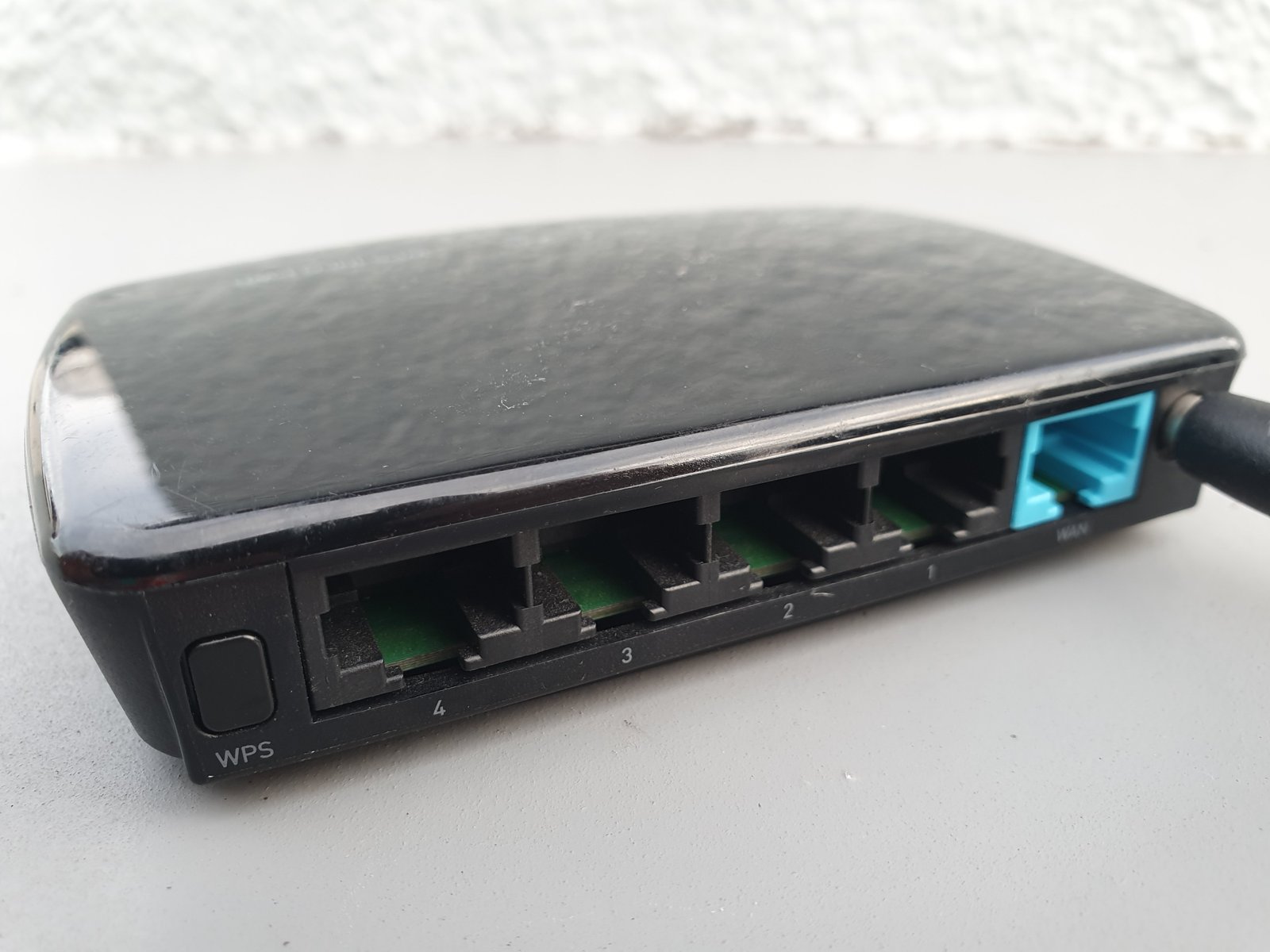
    Who should probably buy a normal phone

    If you prioritize maximum durability, best camera for the price, longest battery life, lowest repair risk, or simple one-handed use, a traditional flagship may be better.

    A foldable is not an automatic upgrade simply because it has more display area.

    Use a three-year cost comparison

    Compare purchase price, case, insurance, likely battery service, potential screen repair, and resale value.

    A foldable that replaces a tablet may justify the premium. A foldable bought mainly for novelty may not.

    Test your important apps before the return window ends

    Install banking, work, media, navigation, camera, password manager, and communication apps. Use split screen. Rotate the inner display. Open and close the phone during tasks.


    Return policies are most useful when you test real behavior instead of admiring the hardware for a few days.

    A practical foldable buying checklist

    Choose book or flip style. Test cover-screen comfort. Inspect crease visibility. Check hinge feel. Verify IP ratings. Read warranty and repair pricing. Compare real battery tests. Check cameras. Test multitasking and app scaling. Confirm software-support length. Price a suitable case and protection plan. Calculate total ownership cost.

    Conclusion

    Foldable phones are useful when the folding design solves a specific problem. Book-style models can give you a genuinely larger workspace in a pocketable device. Flip models can make a large phone much smaller when carried.

    The premium brings tradeoffs: more moving parts, softer inner screens, potentially higher repair cost, thicker cases, and sometimes compromises in battery or cameras. Evaluate those differences before you focus on the novelty of the hinge.

    If you can name the daily tasks that improve because the phone folds, the format may be worth it. If not, a conventional flagship can still offer better value and fewer compromises.

    Wireless charging setup for a modern foldable smartphone
    Phone repair illustrating foldable device service and repair costs
    Wireless network used by foldable phones for connected apps and updates
  • How to Create a Simple AI Policy for a Small Business: Practical Rules Your Team Can Follow

    How to Create a Simple AI Policy for a Small Business: Practical Rules Your Team Can Follow

    Small businesses are adopting AI faster than many of them are writing rules for it. Employees may use AI to draft emails, summarize documents, write code, create images, research competitors, or answer customer questions. These uses can save time, but the business still needs a clear answer to basic questions: Which tools are approved? What data can be shared? Who checks the output? Which actions require human approval?

    Cybersecurity protections included in a small business AI policy

    A useful AI policy does not need to be fifty pages long. For a small team, a clear two- or three-page policy can be more effective than a complicated document nobody reads. This guide shows how to create practical rules that employees can follow during normal work.

    Start with the purpose of the policy

    The first section should explain why the policy exists. Keep it simple. The goal is usually to gain the productivity benefits of AI while protecting customer information, confidential business data, security, accuracy, intellectual property, and the company’s reputation.

    Write the purpose in plain English

    For example: “Our team may use approved AI tools to support work, but employees remain responsible for accuracy, privacy, security, and final decisions.” This sets the tone for the rest of the document.

    Define what counts as an AI tool

    Employees may think the policy applies only to chatbots. Include generative writing tools, image generators, coding assistants, transcription services, AI search, meeting assistants, browser extensions, customer-support bots, and agentic automation.

    The category matters because different tools can receive different kinds of data and permissions.

    Include built-in AI features

    AI may appear inside office software, design apps, browsers, CRM systems, and operating systems. A policy should cover AI features used for company work even when AI is not the main product.

    Create an approved-tools list

    Do not leave employees guessing which services they can use. Maintain a short list of approved tools and the types of work allowed in each.

    For example, one service may be approved for public marketing drafts, another for internal company documents, and a coding assistant for approved repositories.

    Review provider settings before approval

    Check authentication, data retention, training controls, administrator features, encryption, connected apps, and business-plan terms. Use current official documentation from the provider.

    Block unapproved tools for sensitive work

    A free consumer AI site should not automatically receive confidential customer records or proprietary files simply because an employee finds it convenient.

    Your policy can allow experimentation with public or synthetic data while requiring approval before a new tool handles internal information.

    Provide a simple approval path

    If employees need a new AI service, tell them who to ask and what information to provide. A slow or confusing process encourages unofficial use.

    Define data that must never be pasted into AI

    Create a short prohibited-data list. This often includes passwords, API keys, private encryption keys, one-time codes, authentication cookies, security answers, and other credentials.

    Depending on the business, it may also include payment-card data, health records, government identifiers, unreleased financial results, confidential legal documents, and sensitive customer information.

    Use examples employees recognize

    “Do not share secrets” is vague. “Do not paste customer passwords, payment details, API keys, or private contracts into an unapproved AI tool” is clearer.

    Create a second category for restricted data

    Some information may be allowed only in approved enterprise tools or only after anonymization.

    Examples include internal meeting notes, customer support records, non-public product plans, employee information, and source code.

    Use the minimum-data rule

    Even in an approved tool, share only what the task requires. Remove names, account numbers, and unrelated details when possible.

    Make employees responsible for final output

    AI can draft work, but the person using it remains responsible for what leaves the company.

    Require human review before customer emails, published articles, proposals, reports, legal statements, public social posts, and business decisions.

    AI should not be the final approver

    An employee should never defend a false claim by saying “the AI wrote it.” The business owns the output it sends or publishes.

    Require fact checking for factual content

    AI can invent dates, citations, product features, statistics, or policies. Employees should verify important claims against reliable sources.

    Primary sources should be preferred for company policies, product specifications, laws, standards, and official requirements.

    Define decision-critical facts

    Employees do not need to verify every adjective. They should verify facts that affect money, compliance, safety, customer expectations, technical behavior, or a business decision.

    Create a rule for AI-generated citations

    Never publish an AI-generated citation without opening the source and confirming that it exists and supports the claim.

    This is especially important for research, legal, healthcare, financial, and technical content.

    Set rules for customer communication

    Decide whether AI may draft customer replies, whether it may send them automatically, and which topics require human review.

    A safe starting point is draft-only use for normal support communication.

    Escalate high-impact cases

    Refund disputes, account closures, security incidents, legal threats, medical issues, and high-value sales decisions should have a human owner.

    Define rules for AI customer-service bots

    If customers talk directly to an AI system, disclose the experience appropriately and give users a route to human support when needed.

    Do not let the bot invent policies, promise refunds it cannot issue, or expose information from another customer account.

    Limit backend permissions

    A support bot that only needs order status should not automatically gain access to billing administration or user deletion.

    Create coding-assistant rules

    AI-generated code should follow the same engineering process as human-written code.

    Require version control, review, automated tests, dependency checks, secret scanning, and extra review for authentication, payments, file handling, database changes, and permissions.

    Do not paste production secrets

    Credentials should remain in secure environment variables or a secret-management system, not in prompts or code examples.

    Create rules for AI agents

    Agentic systems can do more than produce text. They may edit files, send messages, run commands, or interact with business software.

    Your policy should distinguish read-only tasks from actions that change data.

    Use approval gates

    Require human confirmation before an AI sends money, deletes records, publishes content, changes user permissions, sends mass email, signs agreements, or modifies production infrastructure.

    Use least-privilege permissions

    Connected AI tools should receive only the access needed for the job.

    If an agent needs one project folder, do not grant an entire drive when narrower access exists. If it only needs to read a calendar, do not grant event deletion.

    Set a rule for file sharing

    Employees should check whether files created by an AI workflow remain private, are shared with a team, or become available through public links.

    Review “anyone with the link” settings

    Convenient sharing can accidentally expose internal work. Require deliberate permission settings for confidential files.

    Address intellectual property

    Employees should not paste confidential third-party material into an AI service unless the company has the right and approval to do so.

    For generated images, code, and content, review provider terms, source licenses, and business requirements where ownership or reuse matters.

    Do not copy competitors

    AI should not be used to rewrite a competitor’s article paragraph by paragraph or imitate protected brand assets. Use it to build original work from approved facts and your own expertise.

    Create marketing-content rules

    AI can help generate drafts, outlines, headlines, descriptions, and visual concepts. Require human review for accuracy and originality.

    Do not publish fake testimonials, invented case studies, false product claims, or fabricated statistics.

    Create image-generation rules

    Decide whether AI-generated images are allowed for marketing, editorial illustration, product mockups, or internal design.

    For real products, do not let generated visuals show features the product does not have.

    Use transparency when context requires it

    Do not present a synthetic image as documentary evidence of an event that did not happen.

    Address employee decisions

    AI should not make high-impact employment decisions without appropriate human review and legal guidance.

    Hiring, firing, promotion, performance, compensation, and disciplinary decisions can involve fairness and legal risk.

    Address financial and legal work

    AI can help summarize documents or prepare questions, but important financial and legal conclusions should be checked by qualified people and primary sources.

    Set clear escalation rules

    Employees should know when AI assistance stops and a lawyer, accountant, security specialist, or manager must take over.

    Define record-keeping requirements

    For high-impact automated workflows, keep a record of important inputs, actions, approvals, and final results.

    You do not need to archive every brainstorming prompt. Focus on workflows where traceability matters.

    Set retention expectations

    Employees should know whether AI-generated drafts, uploaded files, chat logs, and exported data need to be kept or deleted.

    Align this with existing company retention and privacy policies.

    Protect AI accounts

    Require strong authentication for company AI services. Use unique passwords or passkeys and multi-factor authentication.

    Remove access promptly when an employee leaves or changes roles.

    Use company-managed accounts when practical

    Business accounts make it easier to manage access, billing, and offboarding than scattered personal accounts.

    Define who owns AI governance

    Even a small company should name one person or role responsible for the approved-tools list, policy updates, and incident questions.

    This could be an owner, operations lead, IT manager, or security contact.

    Create an incident process

    Employees need to know what to do if they accidentally share sensitive data, an AI sends the wrong message, or an agent makes an unexpected change.

    Report quickly

    The policy should encourage immediate reporting. Early action may allow the company to revoke access, rotate credentials, remove public content, or contact affected parties.

    Train people with real examples

    A short training session is more useful than emailing a policy and assuming everyone understands it.

    Show examples of an approved marketing prompt, a prohibited password-sharing prompt, an AI hallucination, and a customer reply that needs human review.

    Keep the policy easy to find

    Put the current version in a shared company location. Include a contact for questions.

    A policy hidden in an old PDF will not guide daily work.

    Review the policy regularly

    AI products gain capabilities quickly. A tool that once generated text may later gain file access, browsing, memory, or agent actions.

    Review approved tools and permissions after major product changes and on a regular schedule.

    Update rules based on actual incidents

    If employees repeatedly make the same mistake, improve the process or training instead of adding vague warnings.

    Use a simple risk matrix

    Classify AI tasks as low, medium, or high risk.

    Low risk may include brainstorming public content. Medium risk may include customer-facing drafts or internal analysis. High risk may include payments, legal decisions, production changes, confidential records, or security controls.

    Match controls to risk

    Low-risk work may need normal review. Medium-risk work may need source verification and manager approval. High-risk work may require a qualified human and restricted tools.

    Example policy rule set

    Use only approved AI tools for company work. Never share passwords or security secrets. Minimize personal and confidential data. Verify factual claims. Human review is required before public or customer-facing output. AI-generated code follows normal testing and review. Agents need approval before destructive or external actions. Report mistakes immediately.

    This short rule set can become the core of a longer policy.

    Example: marketing team

    The marketing team may use approved AI tools for outlines, headline ideas, draft copy, and visual concepts. A human checks facts, claims, links, brand tone, and image rights before publishing.

    Example: support team

    The support team may use AI to summarize tickets and draft responses. The system may not reveal another customer’s data. Refund exceptions and account closures require a human.

    Example: development team

    Developers may use approved coding assistants with company repositories. They must not paste secrets. Generated code goes through version control, tests, code review, and security checks.

    Example: business owner

    An owner may use AI to compare vendors or summarize contracts, but price, cancellation terms, legal obligations, and payment decisions are verified against the original source.

    A small-business AI policy checklist

    Write the purpose. Define AI tools. Create an approved list. Define prohibited and restricted data. Require human ownership. Add fact-checking rules. Set customer-communication limits. Add code and agent controls. Use least privilege. Protect accounts. Define incident reporting. Train employees. Review the policy regularly.

    Conclusion

    A small-business AI policy should make safe behavior easier, not create paperwork for its own sake. Employees need clear answers about which tools they can use, which data they can share, what they must verify, and which actions require human approval.

    Start with a short policy. Use plain language and real examples. Keep credentials and sensitive data out of unapproved tools. Require normal quality review for AI-generated work. Give agents narrow permissions. Create a fast way to report mistakes.

    As AI tools change, update the policy. The goal is not to slow adoption. It is to make sure the business gains useful automation without giving up privacy, security, accuracy, or accountability.

    Employee researching approved AI tools and reliable sources
    Business network used by connected AI tools and services
    Connected mobile device managed under a workplace AI policy
  • Personal AI Assistants and Memory: What to Share, What to Keep Private, and How to Stay in Control

    Personal AI Assistants and Memory: What to Share, What to Keep Private, and How to Stay in Control

    Personal AI assistants become more useful when they understand your preferences, past work, writing style, projects, and recurring tasks. The same context that makes an assistant helpful can also include information you would not want copied into the wrong place or exposed to a service that does not need it.

    Cybersecurity controls for protecting personal AI assistant data

    The answer is not to avoid personalization. It is to use it deliberately. This guide explains how AI assistant memory and connected context can work, what kinds of information are useful to share, what should stay private, and how to keep control as assistants become more integrated with files and apps.

    What “memory” can mean in an AI assistant

    AI products use the word memory in different ways. One service may remember preferences across chats. Another may keep conversation history. A work tool may index approved documents. An agent may read connected email or calendar data only when a task requires it.

    These systems are not identical. Before relying on memory, understand whether information is stored as chat history, profile preferences, indexed files, temporary context, or data from a connected app.

    Do not assume every remembered detail is stored the same way

    A writing preference such as “use short paragraphs” may be treated differently from a document uploaded for one project. Review the product’s official privacy and data-control information.

    Why memory is useful

    Without memory, you may need to repeat the same context every time. A personal assistant can be more efficient when it already knows your preferred output format, recurring project names, standard terminology, or common workflow.

    Useful memory reduces setup time rather than replacing judgment.

    Good memory saves instructions, not secrets

    Preferences such as language, tone, measurement units, report format, or how you like tasks grouped are low-risk examples. Passwords and private keys are not.

    Separate preferences from sensitive facts

    A useful privacy habit is to divide information into three groups: safe preferences, contextual information that should be shared only when needed, and secrets that should not be stored in an AI assistant.

    Safe preferences

    Examples include preferred writing tone, favorite document structure, time format, coding style, or whether you want concise explanations.

    Context that needs judgment

    Project names, internal plans, travel details, customer information, financial documents, and private messages may be useful for a task but should be shared only with an approved service and only when needed.

    Secrets

    Passwords, one-time codes, API keys, private encryption keys, authentication cookies, and security answers should stay in systems designed to protect them.

    Use a password manager for credentials

    An AI chat is not a substitute for a password manager. Store login credentials in a dedicated password manager or approved enterprise secret-management system.

    Reputable password managers provide encryption, access controls, recovery options, and autofill designed for credentials.

    Use placeholders in prompts

    If an AI needs to help write code that uses an API, write API_KEY_HERE instead of pasting the real key. If it needs to draft an email about an account, use a masked account number unless the exact value is necessary and approved.

    Apply the minimum-data rule

    Ask what the assistant needs to complete the task and remove everything else.

    If you want help improving a contract summary, the assistant may need the contract but not unrelated customer records. If you want help rewriting a support reply, it may not need a complete payment history.

    Less data means fewer things can go wrong

    Data minimization reduces privacy exposure and often improves answer quality because the model sees less irrelevant information.

    Understand connected apps

    Modern assistants can connect to services such as cloud storage, email, calendars, project tools, and business systems. Connections can save large amounts of time, but they also change what the assistant may be able to access.

    Review the scope before connecting an app.

    Read access and write access are different

    An assistant that can search your calendar is lower risk than one that can delete events. A tool that can read a project board is different from one that can close tasks or invite users.

    Give the narrowest permission possible

    Use least privilege. If the assistant only needs to read files from one folder, do not give it an entire drive when a folder-level permission exists.

    If a connector allows read-only access, start there. Add write permission only when the workflow needs it.

    Permissions should match the task

    Convenience is not a good reason to grant broad access permanently.

    Review connected apps periodically

    Connections can be forgotten after a project ends. Every few months, review which apps, accounts, and services are connected to your AI tools.

    Remove access that is no longer needed.

    Old connections create hidden exposure

    A service you stopped using last year does not need ongoing access to current files.

    Keep work and personal context separate

    If you use AI for both business and personal tasks, separate accounts or workspaces where appropriate.

    A personal travel conversation should not accidentally include internal client documents. A business assistant should not need access to private family files.

    Use workspace boundaries

    Projects, folders, team workspaces, and separate browser profiles can help keep contexts apart.

    Be careful with health and financial data

    Medical records, insurance documents, banking information, tax files, and investment statements can be highly sensitive.

    Use services explicitly approved for those data types and follow any applicable legal or organizational requirements.

    Summarize without identifiers when possible

    If you only need help understanding a document structure, remove names, addresses, account numbers, and other identifiers first.

    Personalization does not require full identity

    An assistant can learn that you prefer simple English without knowing your legal name. It can remember that you manage a software project without storing every private customer detail.

    Choose the level of personalization that creates useful value.

    Think before sharing location

    Location can improve weather, travel, restaurant, and event answers. Precise location is not necessary for every request.

    Use city-level context when that is enough. Share an exact address only when the task truly needs it.

    Current location and home address are different risks

    A temporary city for a trip may be less sensitive than a permanent home address stored in long-term context.

    Be cautious with family information

    An assistant may help plan birthdays, school tasks, or family travel, but avoid storing unnecessary personal details about other people.

    Children’s data deserves extra care. Share only what the task requires.

    Do not upload an entire mailbox for one email

    If you want help replying to one message, provide that message or use a connector that can retrieve the exact thread. More context is not always better.

    Large data access can make it harder to understand which information influenced the answer.

    Use project-specific files

    For a work project, create a clean source set with the documents the assistant is allowed to use.

    This improves both privacy and accuracy. The assistant can focus on approved material instead of searching unrelated files.

    Archive old source sets

    When a project ends, remove obsolete files or move them out of the active AI workspace if they are no longer needed.

    Ask the assistant what context it used

    When an answer surprises you, ask which files, messages, or remembered preferences influenced the result if the product supports that level of transparency.

    This can help identify stale or incorrect context.

    Correct wrong context quickly

    If an assistant keeps applying an old preference or outdated project detail, update or remove that context instead of repeatedly working around it.

    Do not let memory replace source verification

    An assistant may remember a product preference or previous conclusion, but current facts can change.

    Prices, software versions, laws, schedules, product availability, and company policies should be checked against current sources.

    Personal memory and public facts serve different roles

    Memory helps personalize the answer. Live sources establish current reality.

    Understand conversation retention

    AI services have different policies for storing chat history, deleted conversations, temporary chats, and enterprise data.

    Read the current official policy for the plan you use. Providers can change features and controls over time.

    Review training controls

    Some services let users choose whether their content may be used to improve models. Business and enterprise products may have different defaults from consumer products.

    Do not assume. Check the actual setting and provider documentation.

    Plan choice matters

    A free personal account and a company-managed account can have different privacy guarantees, retention rules, and administrator controls.

    Use temporary or private modes when appropriate

    If a service provides a temporary conversation mode that does not become part of normal memory or history, use it for one-off sensitive topics when that matches your needs.

    Temporary mode is not a license to share secrets. The minimum-data rule still applies.

    Check file-sharing permissions

    If an assistant creates or edits a document in cloud storage, confirm who can access the file afterward.

    A private document should not become “anyone with the link” simply because a workflow created a share link.

    Review external collaborators

    Old team members or vendors may retain access to folders that become sources for an AI assistant.

    Protect the account that controls the assistant

    AI privacy depends partly on account security. Use a unique password or passkey, enable strong multi-factor authentication, and review signed-in devices.

    If someone gains access to the account, they may see chat history, files, or connected-app permissions.

    Protect recovery methods

    Your recovery email and phone number can become an attack path. Keep them current and secure.

    For important business accounts, use phishing-resistant authentication where supported.

    Watch for unexpected agent actions

    An assistant with tools may be able to modify files, send messages, or make changes. Keep approval gates around high-impact actions.

    Reading a draft is different from sending it to a customer. Preparing a payment summary is different from moving money.

    Separate preparation from execution

    Let the assistant prepare the action and let a human approve the final step.

    Use logs for important business workflows

    If an AI agent can change business systems, keep a record of what it did, which source it used, and who approved the result.

    This helps with accountability and troubleshooting.

    Avoid storing security procedures with exploitable secrets

    It is fine for an assistant to remember a general workflow such as “deploy to staging before production.” It should not remember the private key used to access the server.

    Separate procedure from credential

    Instructions can live in documentation. Secrets belong in a secure vault.

    Use anonymized examples for learning

    If you want AI to help design a customer-service process, use sample records with fake names and values when real data is not required.

    This is often enough to test prompts and workflows.

    Delete unnecessary exports

    AI workflows can create CSV files, downloaded emails, temporary PDFs, screenshots, and converted documents.

    Clean up temporary copies after the task is complete, especially if they contain personal or confidential information.

    Consider local AI for highly private tasks

    Some tasks can run on your own phone or computer using on-device or local models. This can reduce the need to send raw data to an external service.

    Local software still needs device security, updates, backups, and careful configuration.

    Teach family or team members simple rules

    A privacy policy only works if people understand it.

    A simple set of rules might be: never paste passwords, minimize personal data, use approved tools, check connected-app permissions, verify important facts, and require approval before an AI sends or deletes anything.

    Review memory after major life or work changes

    Old context can become inaccurate. If you change roles, companies, projects, addresses, or preferences, review what the assistant still assumes.

    Useful memory should reflect your current situation.

    Example: using memory for a writing workflow

    It can be useful for an assistant to remember that your articles use plain English, short paragraphs, practical examples, and a specific SEO structure.

    It does not need customer passwords, private analytics tokens, or unrelated personal information to apply that style.

    Example: using a connected calendar

    If you ask an assistant to find open meeting times, read access may be enough. If you ask it to schedule meetings, it needs write access.

    Keep automatic invitations behind confirmation until you trust the workflow.

    Example: using a connected drive

    Give the assistant access to the project folder, not an entire personal drive, when the platform supports that scope. Keep confidential archives outside the active source set.

    A practical privacy checklist

    Know what the product means by memory. Store preferences, not secrets. Use minimum necessary data. Review connected apps. Separate work and personal context. Protect the AI account with strong authentication. Keep recovery secure. Verify current facts outside memory. Use approval gates for write actions. Remove old access. Delete unnecessary exports. Review privacy settings after major product updates.

    Conclusion

    Memory can make a personal AI assistant dramatically more useful because it reduces repeated instructions and keeps long-running work coherent. The privacy challenge is deciding which context creates value and which information creates unnecessary risk.

    Share stable preferences and task-relevant context. Keep credentials and authentication secrets in dedicated security tools. Scope connected apps narrowly. Review old permissions and remembered information. Use current sources for facts that can change.

    A helpful AI assistant does not need to know everything about you. It needs the right information for the work you want it to do, with clear boundaries around everything else.

    Notes used to decide what information an AI assistant should remember
    Computer settings used to manage connected AI assistant tools
    Network connection used by cloud-based AI assistant features