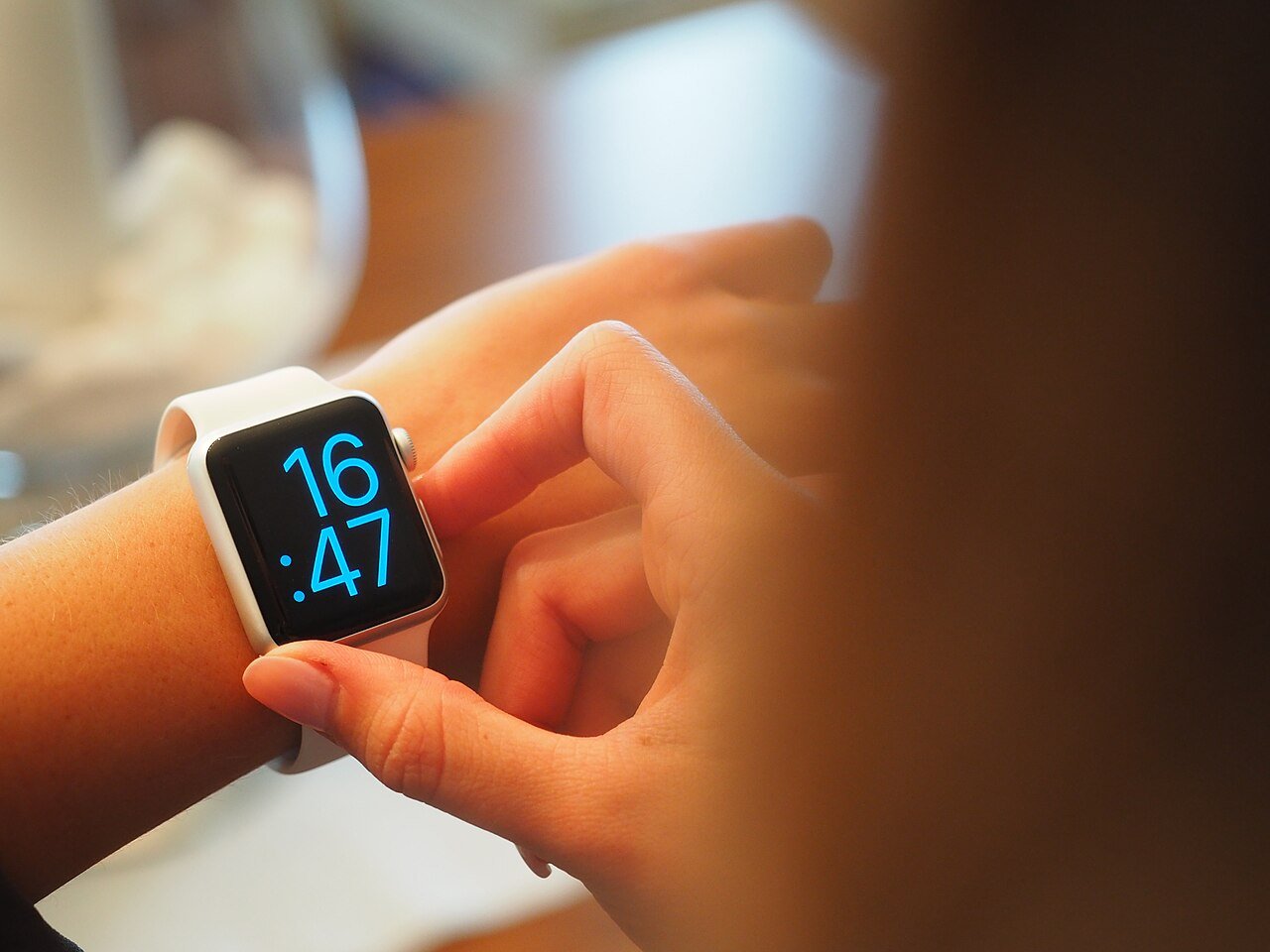
Smart rings and smartwatches can both track health and activity, but they feel very different in daily life. A watch puts a screen, notifications, apps, maps, timers, and workout controls on your wrist. A smart ring is smaller, quieter, and often built around passive tracking rather than constant interaction.
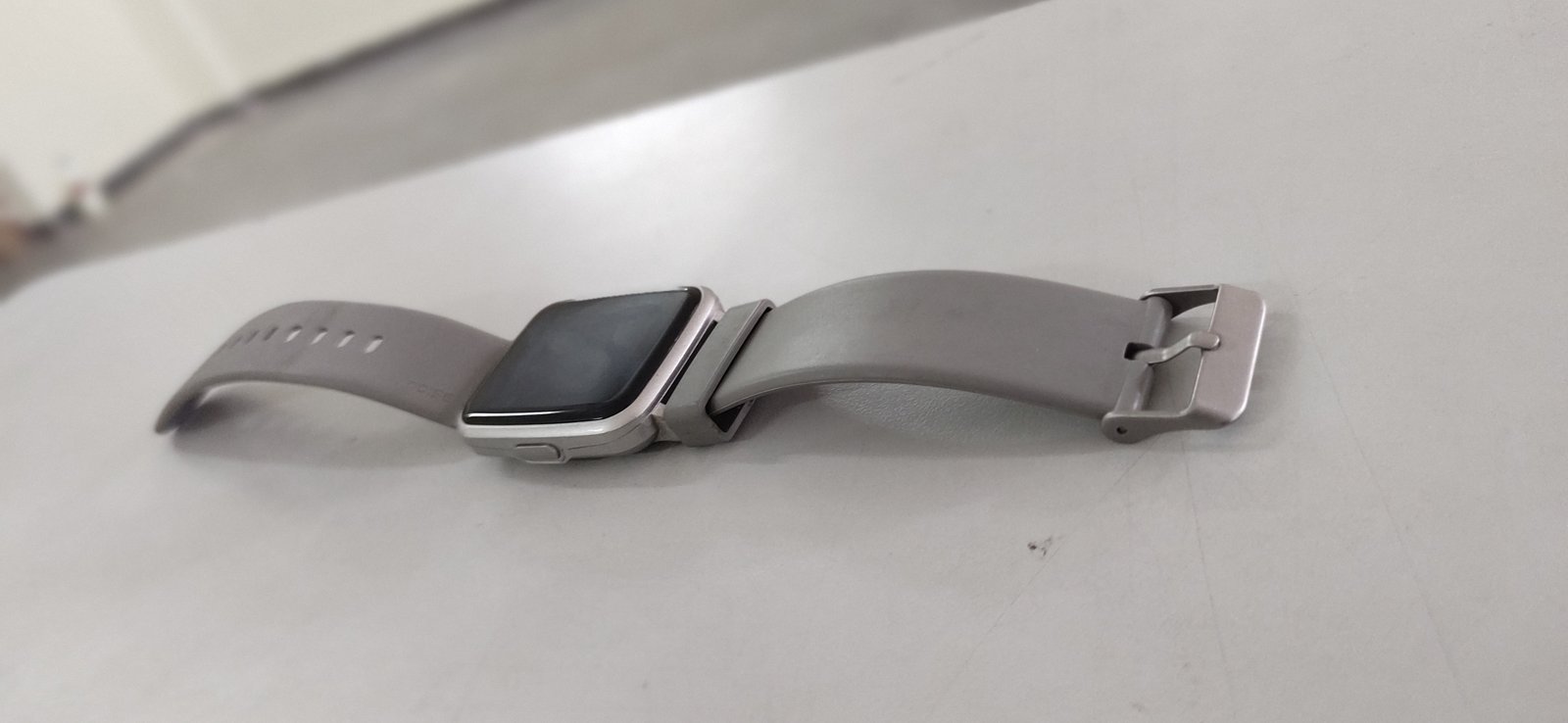
Neither format is automatically better. The right choice depends on whether you want a tiny sensor you can mostly forget about or a wearable computer that can replace some phone tasks. This guide compares the two formats from the perspective of real use: sleep, exercise, battery life, comfort, accuracy, subscriptions, durability, and privacy.
Start with the main job you want the wearable to do
Write down the three things you want most. Common goals include sleep tracking, step counts, running, gym workouts, recovery, heart-rate trends, notifications, contactless payments, navigation, timers, or reducing phone use.
If your list is mostly passive health tracking, a ring deserves serious consideration. If your list includes interaction and live workout controls, a watch is usually stronger.
Do not buy based on the longest feature list
A device with fifty features you ignore is less useful than one that does five important things comfortably.
Smart rings are designed to disappear into your routine
A ring has no large display competing for attention. You wear it, sync it, and review the information later in an app.
This can be attractive for people who want health trends without another screen.
Quiet tracking is the main experience
A ring will not normally replace a phone or smartwatch for messages, maps, music controls, or calls. Its strength is collecting data with minimal interaction.
Smartwatches are interactive devices
A smartwatch can show notifications, start timers, display navigation, control music, take calls on some models, run apps, and provide live workout data.
Products from Apple Watch, Samsung, Garmin, and other manufacturers differ widely in focus.
The screen is both a benefit and a distraction
If you are trying to look at your phone less, a watch can help by handling small tasks. It can also create a new stream of wrist notifications if you enable everything.
Sleep comfort favors smaller devices for many people
A ring can be easier to wear overnight because it is smaller and has no bright screen. Some users dislike the feeling of any ring in bed, while others forget it is there.
A watch can feel bulky under blankets or against a pillow, especially with a large case or stiff band.
Try the device before committing
Comfort is personal. A narrow lightweight watch may bother you less than a thick ring, and finger swelling can change ring comfort overnight.
Ring sizing is more important than normal jewelry sizing
Smart rings contain sensors that need good skin contact. Manufacturers often provide a sizing kit because the fit may differ from ordinary jewelry.
Your finger size also changes with temperature, exercise, hydration, and time of day.
Wear the sizing sample for several days
Test sleeping, washing hands, typing, exercising, and normal daily activities before ordering the final ring.
Watches are easier to adjust
A watch strap can usually be tightened or loosened quickly. You can also change bands for sports, work, or sleep.
This flexibility can improve sensor contact during workouts.
Passive heart-rate tracking works well on both formats
Both rings and watches can use optical sensors to estimate heart rate and related trends. Accuracy varies by device, fit, movement, skin contact, and activity.
Resting measurements are generally easier than fast-changing exercise data.
Do not treat consumer wearables as medical diagnosis tools
Some devices have regulated health features in supported countries, but a wearable should not replace professional medical evaluation when you have symptoms or health concerns.
Exercise tracking usually favors watches
A smartwatch can display live pace, distance, heart rate, zones, interval timers, lap data, and navigation while you move.
A ring may record activity, but the lack of a screen makes live coaching and workout control more limited.
Serious runners often benefit from physical controls
Touchscreens can be difficult in rain or with gloves. Sports watches with buttons can be easier during training.
Strength training can be uncomfortable with a ring
Gripping barbells, dumbbells, kettlebells, or pull-up bars can press a ring into the finger and scratch the device.
Many users remove rings during heavy lifting.
A watch can also get in the way
Wrist wraps, gloves, and certain movements can interfere with a watch. The difference is that removing and reattaching a watch is often simpler than keeping track of a tiny ring in a gym.
Swimming requires model-specific checking
Water resistance ratings vary. Check the manufacturer rating and whether pool or open-water workouts are officially supported.
Water resistance can also change with age and damage.
Step counting can differ between devices
A ring on the hand and a watch on the wrist interpret movement differently. Pushing a stroller, carrying a bag, typing, or cooking can affect motion-based estimates.
Use step counts as trends rather than assuming every device produces identical numbers.
Sleep staging is an estimate
Wearables infer sleep phases from motion, heart rate, temperature, and other signals. They are not the same as a clinical sleep study.
The most useful information is often consistency: bedtime, total sleep duration, wake periods, resting heart-rate trends, and how your behavior changes over weeks.
Do not chase a perfect sleep score
If a score makes you anxious despite feeling rested, use the data less often. A wearable should support better habits, not create a new source of stress.
Recovery scores simplify multiple signals
Some devices combine sleep, heart-rate variability, resting heart rate, temperature, activity, and recent load into a readiness or recovery score.
The score is a model, not a direct measurement of whether you should train.
Use your own condition as an input
Illness, soreness, stress, travel, and motivation matter too. Treat recovery scores as context, not commands.
Battery life often favors rings
Without a large display, rings can often run for several days between charges. Exact runtime depends on model, battery age, enabled features, and sensor use.
Many full-featured smartwatches need more frequent charging, although endurance-focused watches can last much longer.
Battery routine affects data completeness
A device that is always on the charger while you sleep cannot record sleep. Choose a charging routine that fits your priorities.
Charging a ring is easy to forget
Because you may not interact with it often, a ring can reach low battery without attracting attention.
Set a reminder or charge during showers, desk work, or another repeatable activity.
Watch charging can become part of a routine
Short charging sessions during breakfast or a shower can keep many watches running without losing overnight data.
Faster charging can matter more than total battery capacity if your schedule is predictable.
Notifications strongly favor watches
A watch can display caller names, messages, calendar alerts, navigation turns, and app notifications.
A ring generally cannot show text without a display.
Disable low-value alerts
If you choose a watch, turn off shopping promotions, social noise, and other alerts that do not deserve a wrist vibration.
Payments are more common on watches
Many smartwatches support contactless payment through platform services. Support depends on country, bank, and model.
Payment features are much less common on health-focused rings.
Navigation favors a display
Walking directions and turn prompts are useful on a smartwatch when you do not want to hold a phone.
A ring cannot give the same visual map experience.
Music control favors a watch
A watch can pause music, change tracks, adjust volume, or control earbuds during exercise.
Some watches can store offline music or stream directly with cellular connectivity.
Cellular watches can reduce phone dependence
Selected smartwatch models can use cellular service for calls, messaging, music, and emergency features without the phone nearby.
This usually requires carrier support and an additional plan.
Battery use increases
Standalone cellular use can drain a watch faster than normal Bluetooth operation.
Rings are more discreet at work
A ring can collect data without lighting up during meetings or appearing like another screen.
For people who prefer traditional watches, a smart ring lets them keep their normal watch while adding health tracking.
Watches offer more accessibility features
A screen, speaker, microphone, vibration motor, and apps can support timers, medication reminders, fall detection, communication, and other accessibility functions depending on the model.
Check individual features and regional availability.
Durability depends on how you use your hands
Rings touch door handles, gym equipment, tools, desks, and metal objects throughout the day. Cosmetic scratches are likely on some finishes.
Watches are exposed to impacts on the wrist but can use replaceable cases or protectors.
Do not expect jewelry to stay perfect
If cosmetic condition matters, review long-term user photos rather than only polished product images.
Repairability is limited on tiny wearables
Smart rings are tightly sealed devices with very small batteries. Repair options can be limited.
Smartwatches are also compact, but some manufacturers offer battery or screen service.
Battery aging matters over several years
All rechargeable batteries lose capacity. A wearable with modest battery life when new can become inconvenient later.
Check warranty and service options.
Subscriptions can change total cost
Some wearable platforms require a membership for advanced trends, recommendations, or historical analysis. Others include most features with the hardware purchase.
Calculate the cost over two or three years.
A cheap device can become expensive with a monthly fee
Compare total ownership cost, not only the purchase price.
Phone compatibility matters
Some watches work only with one phone ecosystem. Others support Android and iPhone with different feature sets.
Rings may also require specific app versions or operating systems.
Check the exact feature set
A wearable may pair with your phone but lose advanced features such as replies, payments, ECG, or device-finding.
Data export matters if you care about long-term records
Before committing to a platform, check whether you can export health data or sync it with Apple Health, Health Connect, Strava, or another service you use.
Easy export reduces platform lock-in.
Privacy deserves careful review
Wearables can collect sleep schedules, heart rate, location, exercise, temperature trends, and other sensitive information.
Review account security, data sharing, advertising settings, research participation, retention, and third-party integrations.
Disable connections you do not use
A fitness app connected years ago does not need permanent access if you stopped using it.
Protect the account with strong authentication
Use a unique password or passkey and multi-factor authentication where available.
A lost wearable should not become easy access to your broader account ecosystem.
Location tracking is not necessary for every feature
GPS improves route and distance tracking, but continuous location creates more sensitive data.
Use permission controls and understand which workouts require location.
Consider whether you need both
Some people wear a sports watch for workouts and a ring for sleep or recovery. This can provide flexibility but also duplicates cost and data.
Before buying two devices, identify what the first one fails to do.
More sensors do not automatically create better decisions
If two dashboards give different recovery scores, you may end up with more confusion rather than more insight.
Who should choose a smart ring
A ring is a strong fit for someone who values sleep tracking, long battery life, minimal distraction, compact size, and passive health trends.
It can also suit someone who wants to keep wearing a traditional watch.
Who should choose a smartwatch
A watch is better for live workouts, notifications, navigation, payments, apps, music controls, calls, and quick interaction.
It is closer to a small computer on the wrist.
Who may need a sports watch instead
Serious endurance athletes may prefer a GPS-focused sports watch with long battery life, physical buttons, route navigation, training load, and specialized sensors.
That category overlaps with smartwatches but has different priorities.
Try a simple two-week experiment
During the return period, wear the device during sleep, work, exercise, travel, and normal weekends.
Track which features you actually use and which notifications or scores you ignore.
Judge behavior change
The best wearable is one that helps you make useful decisions, not merely one that records the most data.
A practical wearable checklist
Define your top three goals. Decide whether you need a screen. Test sleep comfort. Check workout controls. Compare real battery life. Review phone compatibility. Calculate subscription cost. Check water resistance and durability. Review export options. Read privacy settings. Protect the account. Use the return window to test your real routine.
Conclusion
Smart rings and smartwatches collect some of the same health signals, but the products serve different daily experiences. Rings are quiet, compact, and well suited to passive tracking. Watches are interactive and stronger for exercise feedback, notifications, navigation, payments, and phone-like tasks.
Choose based on the behavior you want, not the newest sensor. If sleep and recovery trends matter more than screen features, a ring can be comfortable and simple. If you want live workout data and useful wrist interactions, a smartwatch offers much more.
Whichever format you choose, remember that wearable metrics are estimates. Use them to notice patterns and support healthy habits, not as a substitute for medical care or your own judgment.

Leave a Reply